

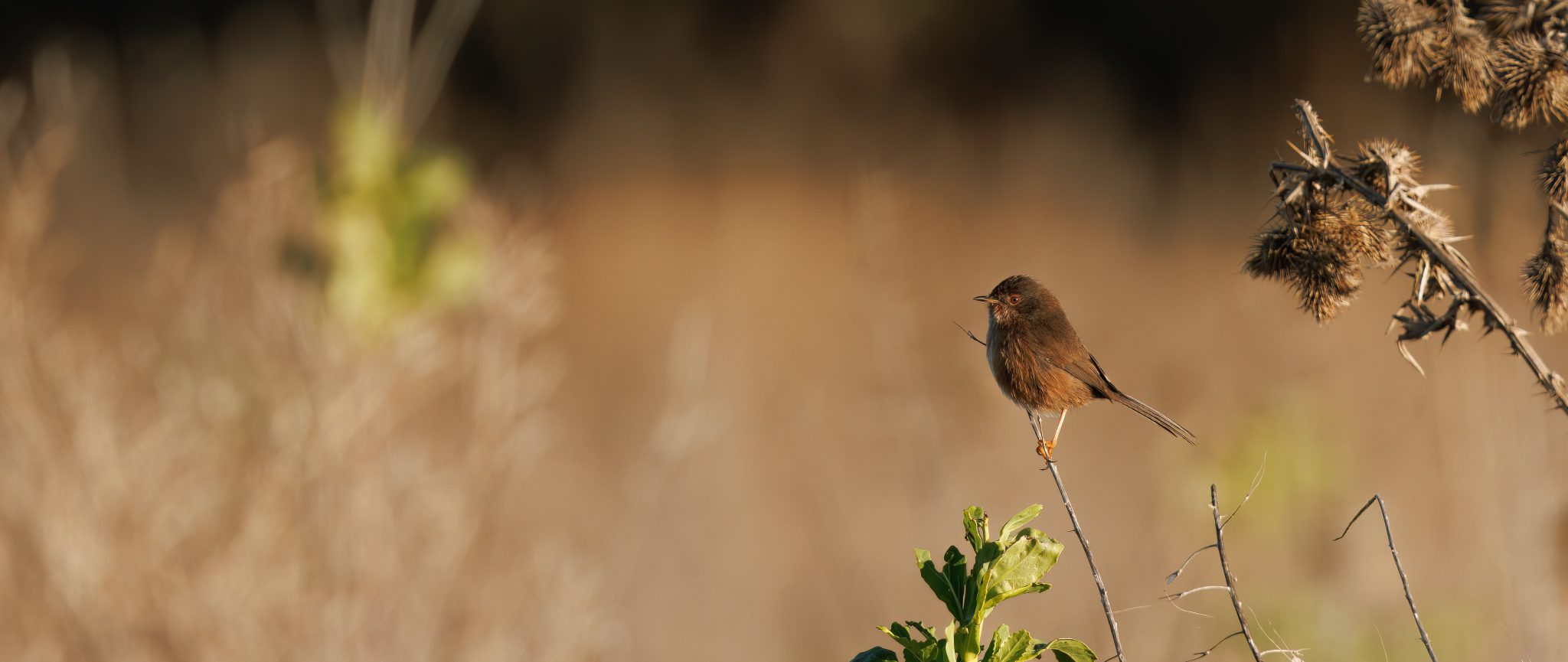
As winter birds arrive across Sussex, the Sussex Ornithological Society asks dog walkers to think about the energy birds can’t afford to lose.
Autumn is the start of the winter season for Sussex’s birdlife. Waders, ducks and geese are arriving from the Arctic and northern Europe, and resident birds are preparing for the colder months ahead. Many of them are living on a calorific knife edge: the food they find each day has to cover the energy they burn staying warm, particularly when roosting at night, and there is very little margin for error.
That is why disturbance matters more than many of us realise. When a bird takes flight, it burns energy it may not be able to replace. On a short winter day, with food harder to find, a single flight may not make much difference – but repeated disturbance across days and weeks can leave birds weaker, less able to feed, and less able to cope with a hard frost.
Dogs are one of the most common causes of that disturbance. Even a friendly, well-behaved dog running towards a flock can send dozens or hundreds of birds into the air at once. To a bird, a dog looks like a predator, however gentle its intentions.
A rare personal note: I have a dog myself – one who enjoys a good run and can get a little too eager when he sees something to chase. I love walking with him, and keeping him on a lead, especially as we work on his recall, is a small thing I can do for local birds that matters.
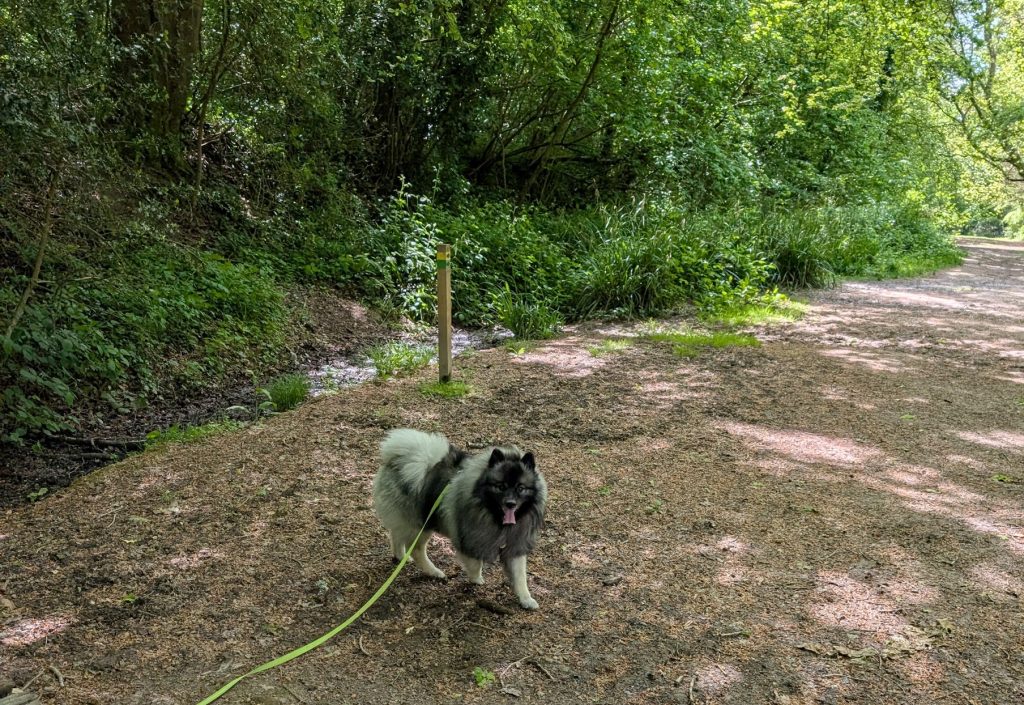
The good news is that protecting wintering birds doesn’t mean giving up walks with your furry friends. A few simple habits make a big difference:
- Keep dogs on a lead wherever birds feed or rest, particularly on open fields, wetlands, estuaries and coastal edges.
- Give flocks a wide berth. If birds are gathered in a field or on the shore, take a different route rather than walking through them.
- Watch for the warning signs. If birds are lifting their heads, walking away or taking flight, you’re too close.
- Follow local signs and guidance. Many sites ask for dogs to be on leads for good reason.
- Check your dog’s recall honestly. A dog that comes back reliably most of the time may still not do so when a flock lifts off in front of it.
These changes are small, but if enough people make them, the difference adds up. Sussex is home to many wintering birds, and its coast, fields and wetlands benefit when all of us share them thoughtfully.