

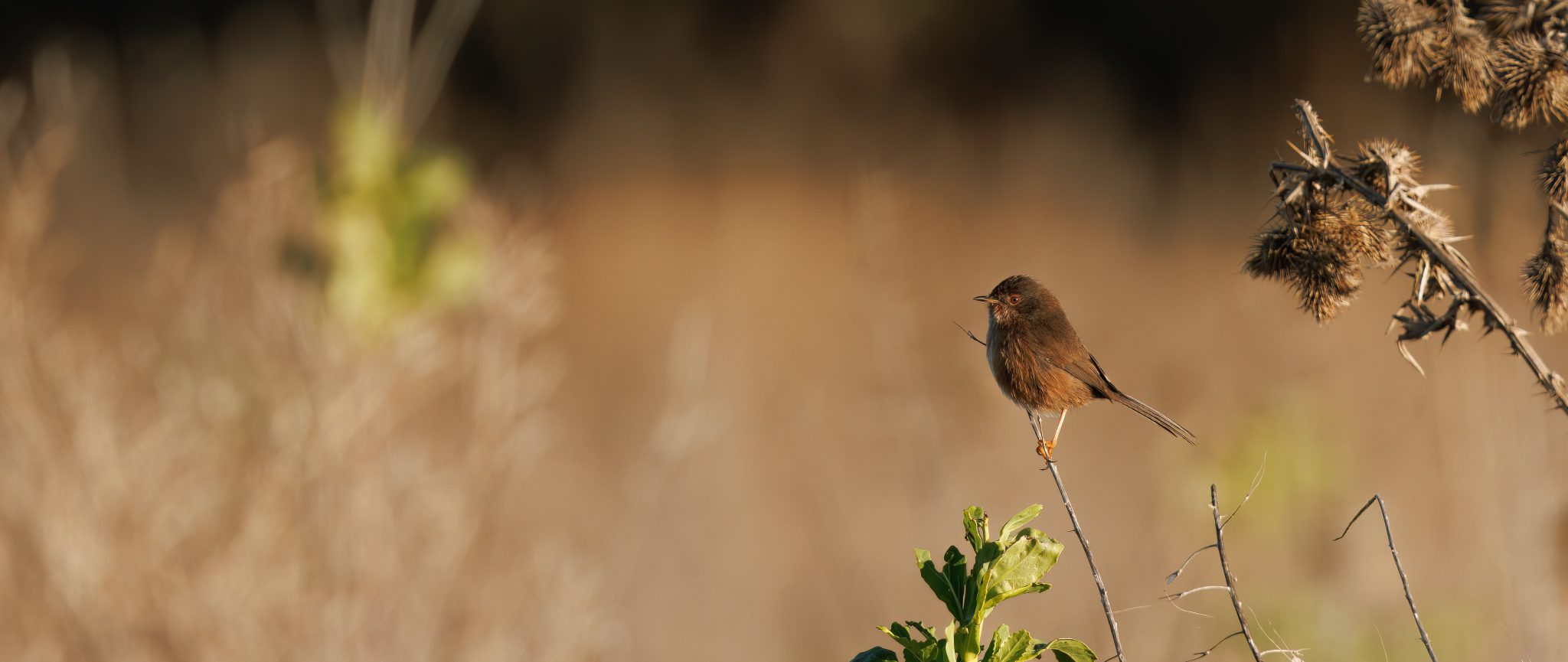
The report from the 2026 Wealden Heaths Breeding Bird Survey shows good news for all five of the key heathland breeding species, with particularly high numbers recorded for Nightjar.
This Survey has been conducted annually for almost 30 years and provides insight into not only current populations, but also long-term trends. “Thanks to the volunteers who collect this data, we have a long-running data set about the habits of these species that helps us protect them,” says Alison Giacomelli, the organiser of the upcoming 2027 Survey.
As we plan for the 2027 Survey, we need help – we have a vacancy for a surveyor to cover Stedham and Iping Commons, and we are looking for a volunteer, or multiple volunteers, to observe this area. If you are interested, your help can ensure that this Survey continues to provide valuable data in all areas in 2027.
What is the Wealden Heaths Breeding Bird Survey?
The Wealden Heaths Breeding Bird Survey monitors heaths under various ownerships – private, National Trust, County Council, or Sussex Wildlife Trust. Ten of the twelve heathlands have been monitored since 1998. The Survey’s goal is to gather data on key species over a long period to assess population trends.
There are five target species:
- Nightjar
- Woodlark
- Dartford Warbler
- Tree Pipit
- Stonechat
Additional species that are not considered heathland specialists, but do regularly occupy the habitat, are also noted in the Survey.
Surveyors carry out visits from late February through late July with an aim to cover all parts of each site, working as follows:
- They visit at least four times, covering all areas of the site with each visit.
- They observe pairs or territorial males and then both plot their location on provided maps and record the totals in each 1km square.
- They note any major habitat changes/restoration work.
Because the Survey has been conducted regularly for nearly three decades, it is an invaluable source of data on the heaths and the species that occupy it. Landowners, managers and researchers can use this data to make decisions about clearing scrub and managing vegetation to support the biodiversity of the site.
A twenty-five year (1998-2022) comprehensive paper with detailed comment on the individual heaths can be found here.
What were the results in 2026?
This year has brought good news for all five target species, detailed below. The report also records totals for a number of other non-priority species.
Nightjars
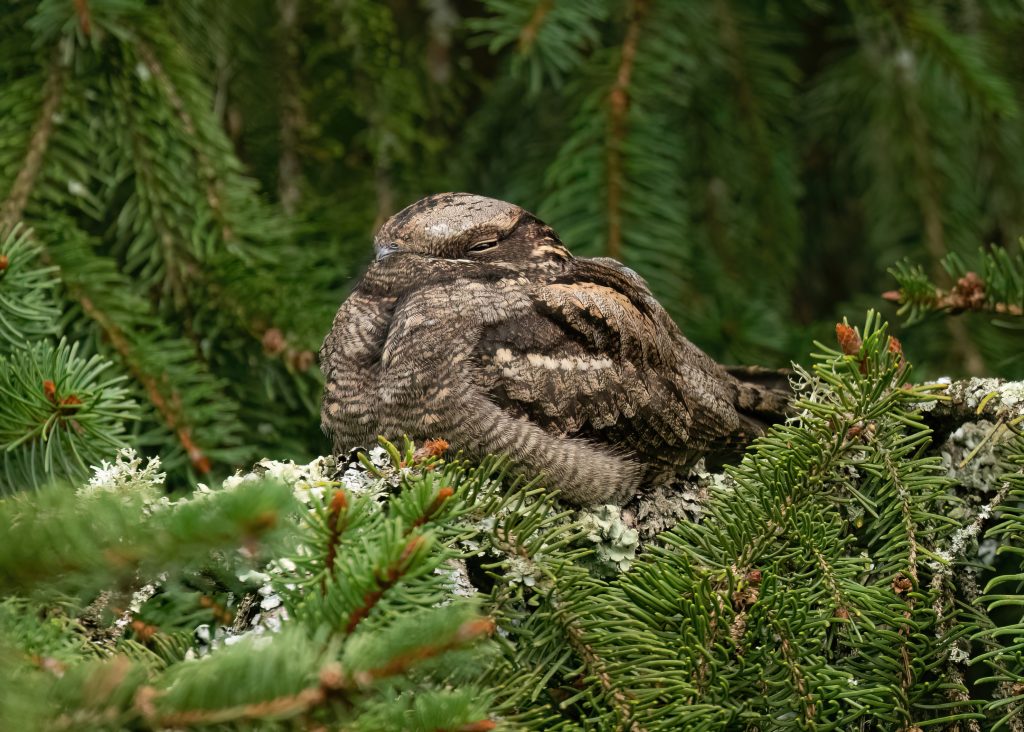
This was yet another record-breaking year for the migratory Nightjar, with 91 territorial males (an increase from 77 the year before). We have observed increases in the Nightjar population every year since 2020.
The highest single count this year was of 23 at Ambersham/Heyshott Commons. All sites reported the species including the added heaths of Graffham (east and west) and Broad Halfpenny.
Woodlark
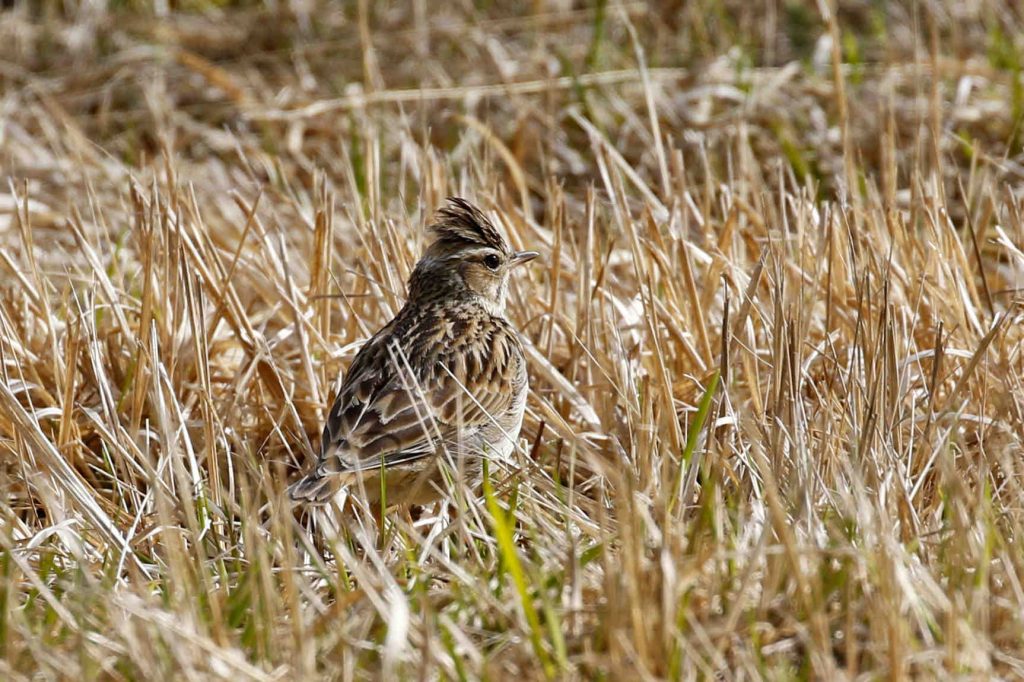
The Woodlark population remains stable, with 48 territories recorded both this year and last year. The highest counts were of ten each on Woolbeding and Iping.
The population is consistent with the early years of the Survey when the initial major heathland restoration works were undertaken. It remains essential for management to continue to provide bare ground for feeding and low vegetation for breeding.
Dartford Warbler
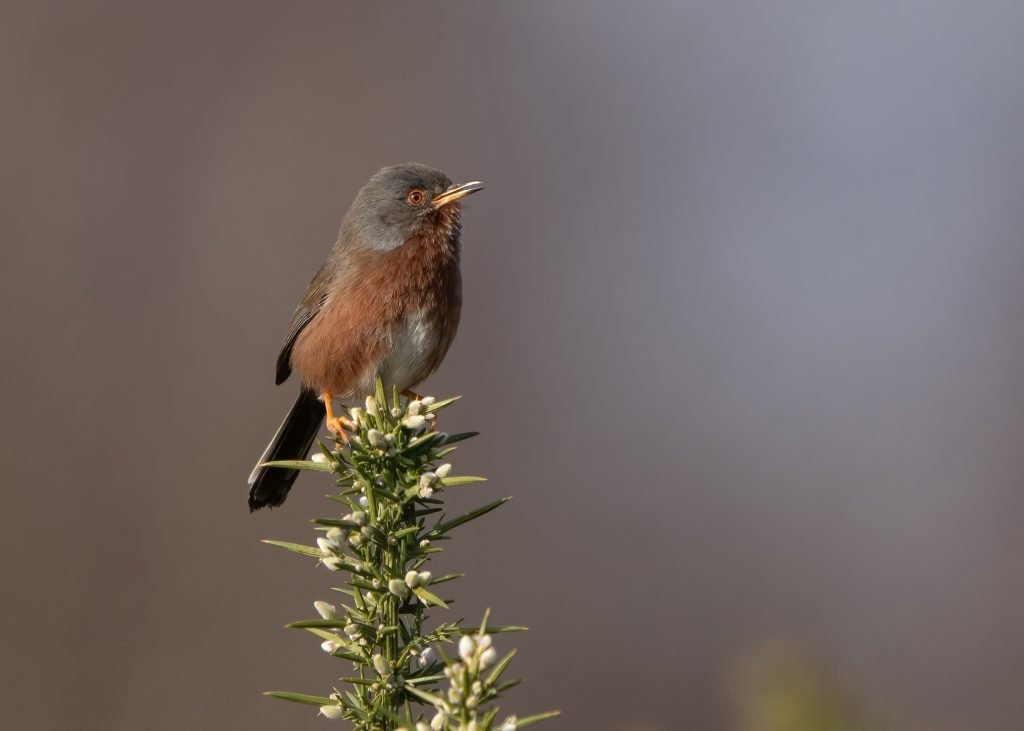
The Dartford Warbler’s numbers continue to improve, up to 64 territories from the 51 observed last year. This is especially exciting because the species was wiped out on the West Sussex heaths during the severe winter of 2010/11.
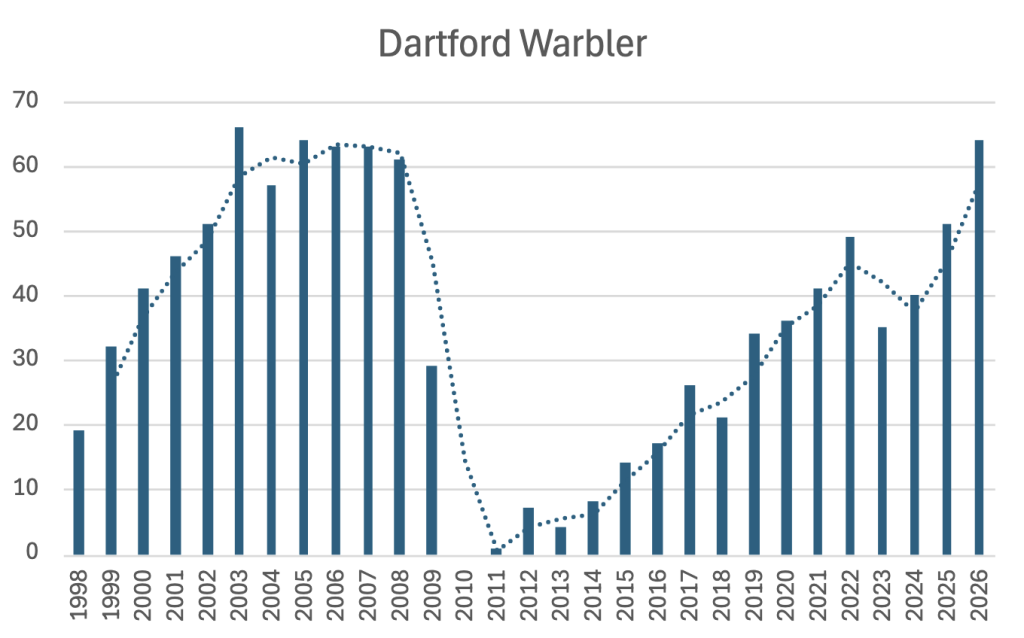
If the climate remains favourable with mild winters, management continues to be effective, and major fires are avoided, the population should remain stable — and could even expand.
It is notable that Ambersham/Heyshott Commons, which used to be by far the best site, had only 9 territories observed, which may suggest that additional heath management might be required. The species’ preference is for mature open heather and gorse areas rather than the lower cut areas favoured by Nightjar and Woodlark. This highlights the importance, especially on smaller heaths, of maintaining a mosaic of vegetation types to support a full range of specialist heathland birds.
Tree Pipit
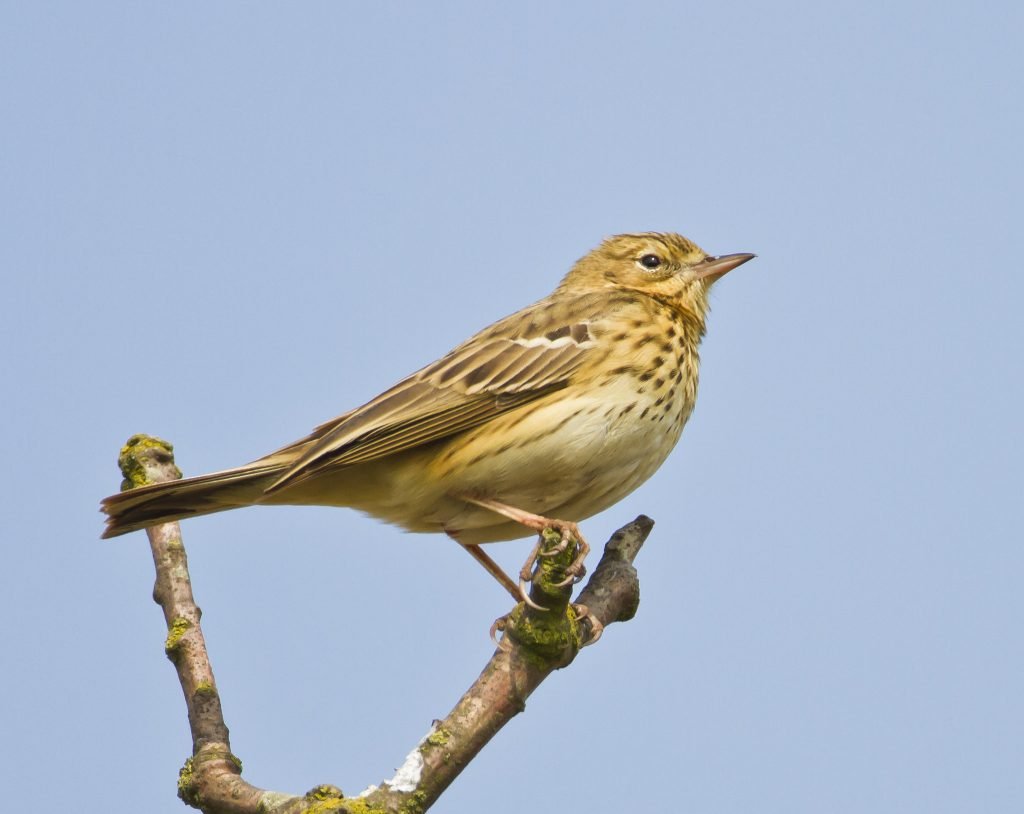
The Tree Pipits appeared in the largest numbers seen since 2011, with 29 territories observed.
According to BTO BirdFacts, the population in the UK has dropped 6% from 1995 to 2024. In the Wealden Heaths Breeding Bird Survey, this species began with a robust population in 1998, had steadily deteriorating numbers after 2005, and has now shown signs of stabilisation and even improvement.
Stonechat
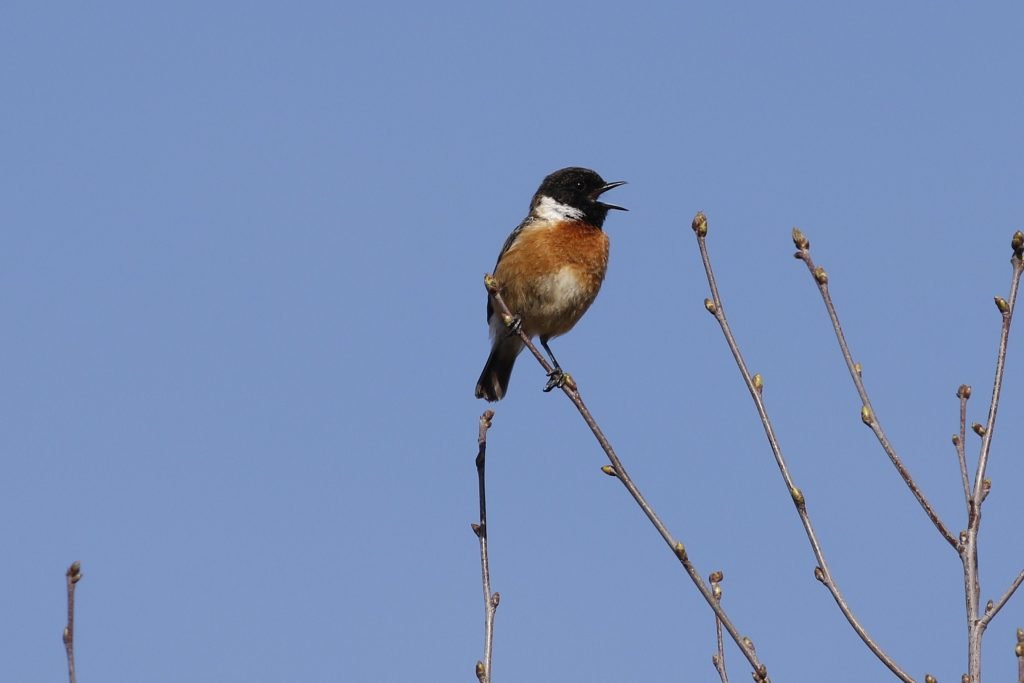
Stonechats benefit from milder winters and can be found on the heaths throughout the year. 49 were recorded in 2026, the same as the previous year. Like the Dartford Warbler, this species has recovered from the severe 2010/11 winter – the population now appears to have stabilised at just under 50 territories.
What’s next for the survey?
The 2027 Survey will begin in February. We currently have surveyors for all twelve heaths except for Stedham and Iping Commons, which is urgently in need.
The Survey will start in mid-February, to find the Woodlarks taking up their territories, and will carry on until late July. Surveyors will cover the individual sites entirely on at least four occasions (more visits welcomed, if surveyors have the inclination and the time), including at least one evening visit in late May or preferably June to detect Nightjar. If there are multiple surveyors for the Stedham and Iping Commons, surveyors may be able to divide the morning and evening visits between them.
If you are interested in surveying this heath, or would like any further information, please contact Alison Giacomelli Alison.Giacomelli@naturalengland.org.uk or Alan Perry on aledgehill@outlook.com. We appreciate the observations of the many birders who contribute to our Society, and would love to have your insights as we prepare for another year of this Survey.