
Good news for all five target species in the 2026 Wealden Heaths Breeding Bird Survey
The report from the 2026 Wealden Heaths Breeding Bird Survey shows good news for all five of the key heathland breeding species, with particularly high numbers recorded for Nightjar.
This Survey has been conducted annually for almost 30 years and provides insight into not only current populations, but also long-term trends. “Thanks to the volunteers who collect this data, we have a long-running data set about the habits of these species that helps us protect them,” says Alison Giacomelli, the organiser of the upcoming 2027 Survey.
As we plan for the 2027 Survey, we need help – we have a vacancy for a surveyor to cover Stedham and Iping Commons, and we are looking for a volunteer, or multiple volunteers, to observe this area. If you are interested, your help can ensure that this Survey continues to provide valuable data in all areas in 2027.
What is the Wealden Heaths Breeding Bird Survey?
The Wealden Heaths Breeding Bird Survey monitors heaths under various ownerships – private, National Trust, County Council, or Sussex Wildlife Trust. Ten of the twelve heathlands have been monitored since 1998. The Survey’s goal is to gather data on key species over a long period to assess population trends.
There are five target species:
- Nightjar
- Woodlark
- Dartford Warbler
- Tree Pipit
- Stonechat
Additional species that are not considered heathland specialists, but do regularly occupy the habitat, are also noted in the Survey.
Surveyors carry out visits from late February through late July with an aim to cover all parts of each site, working as follows:
- They visit at least four times, covering all areas of the site with each visit.
- They observe pairs or territorial males and then both plot their location on provided maps and record the totals in each 1km square.
- They note any major habitat changes/restoration work.
Because the Survey has been conducted regularly for nearly three decades, it is an invaluable source of data on the heaths and the species that occupy it. Landowners, managers and researchers can use this data to make decisions about clearing scrub and managing vegetation to support the biodiversity of the site.
A twenty-five year (1998-2022) comprehensive paper with detailed comment on the individual heaths can be found here.
What were the results in 2026?
This year has brought good news for all five target species, detailed below. The report also records totals for a number of other non-priority species.
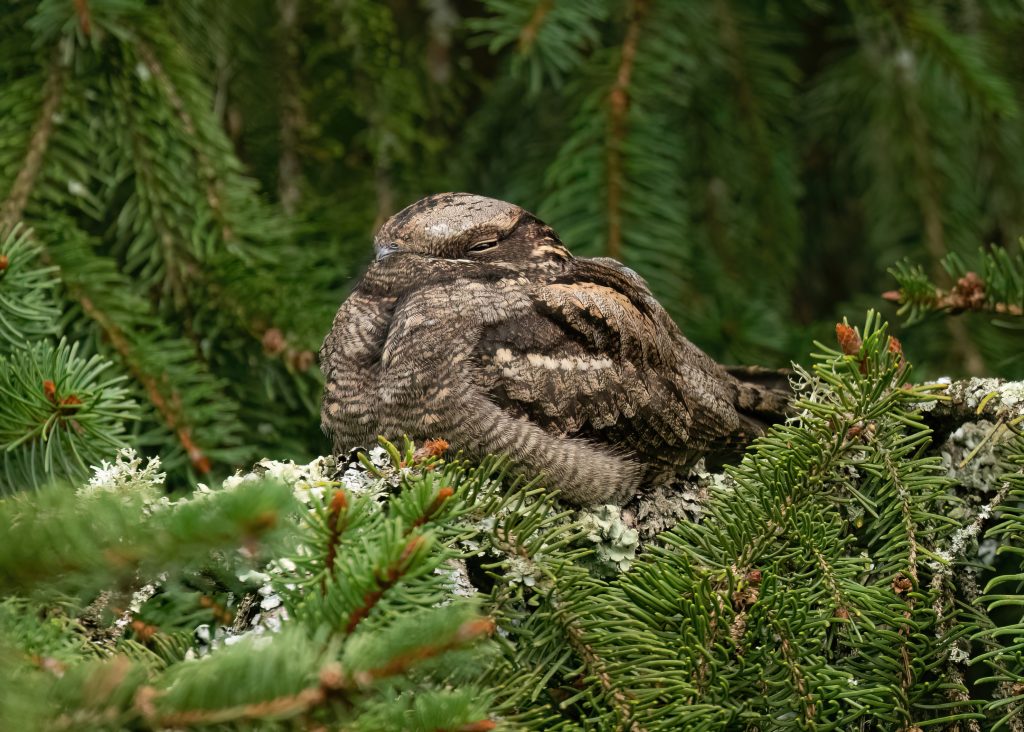
Nightjars
This was yet another record-breaking year for the migratory Nightjar, with 91 territorial males (an increase from 77 the year before). We have observed increases in the Nightjar population every year since 2020.
The highest single count this year was of 23 at Ambersham/Heyshott Commons. All sites reported the species including the added heaths of Graffham (east and west) and Broad Halfpenny.
Woodlark
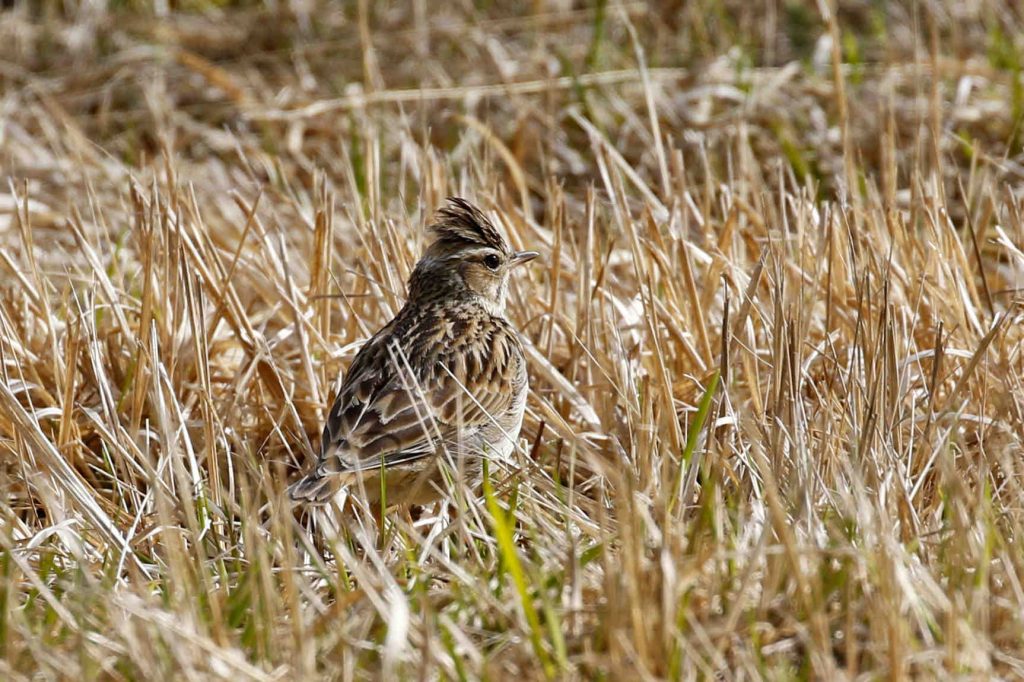
The Woodlark population remains stable, with 48 territories recorded both this year and last year. The highest counts were of ten each on Woolbeding and Iping.
The population is consistent with the early years of the Survey when the initial major heathland restoration works were undertaken. It remains essential for management to continue to provide bare ground for feeding and low vegetation for breeding.
Dartford Warbler
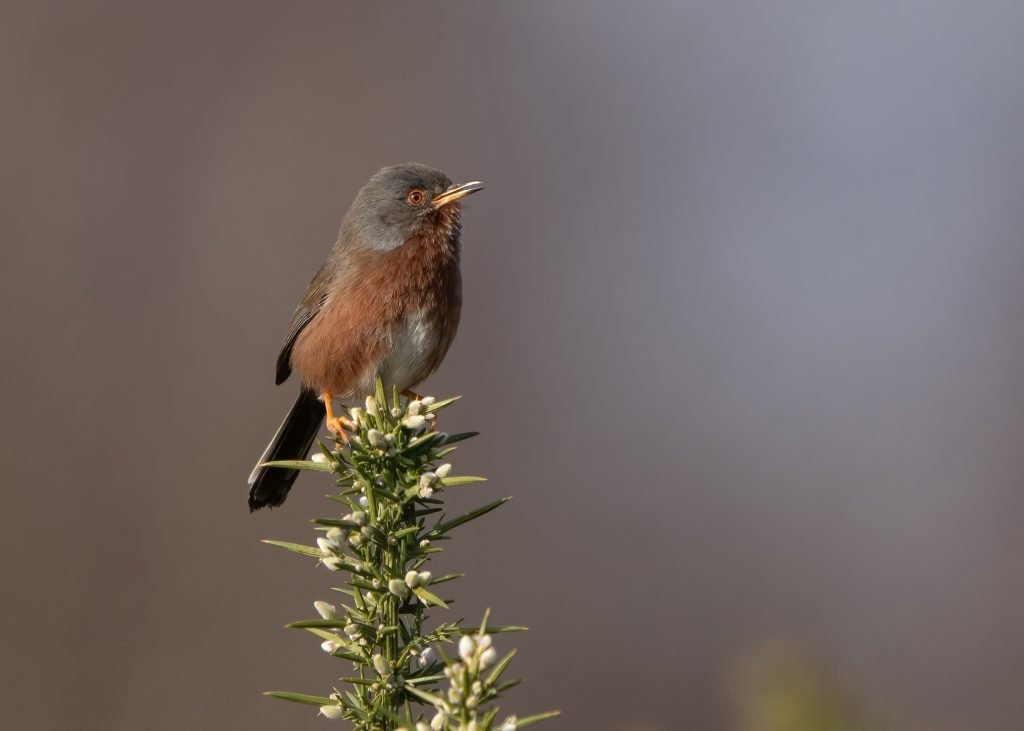
The Dartford Warbler’s numbers continue to improve, up to 64 territories from the 51 observed last year. This is especially exciting because the species was wiped out on the West Sussex heaths during the severe winter of 2010/11.
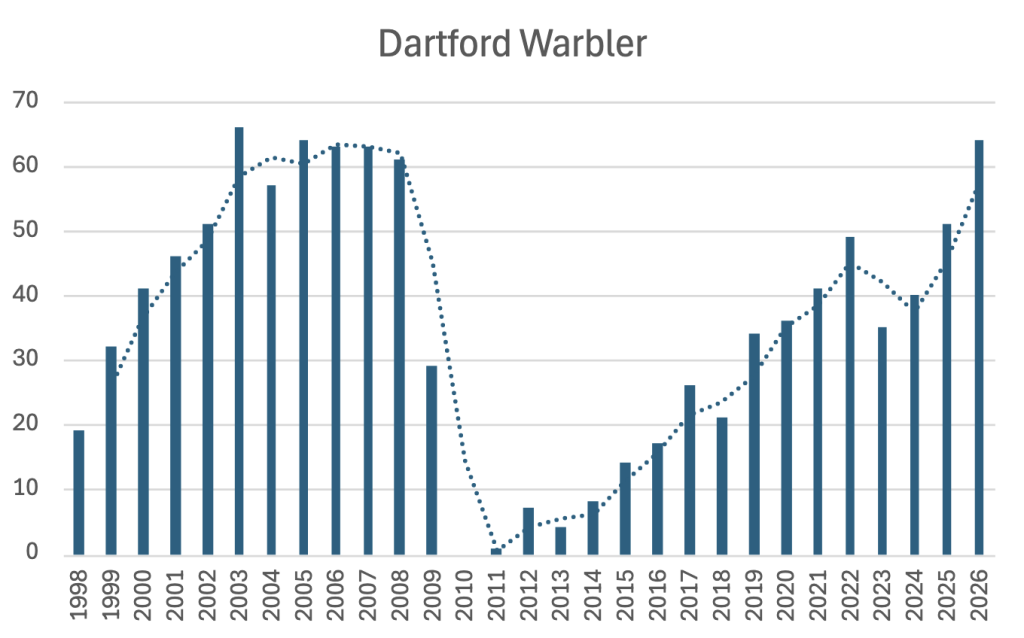
If the climate remains favourable with mild winters, management continues to be effective, and major fires are avoided, the population should remain stable — and could even expand.
It is notable that Ambersham/Heyshott Commons, which used to be by far the best site, had only 9 territories observed, which may suggest that additional heath management might be required. The species’ preference is for mature open heather and gorse areas rather than the lower cut areas favoured by Nightjar and Woodlark. This highlights the importance, especially on smaller heaths, of maintaining a mosaic of vegetation types to support a full range of specialist heathland birds.
Tree Pipit
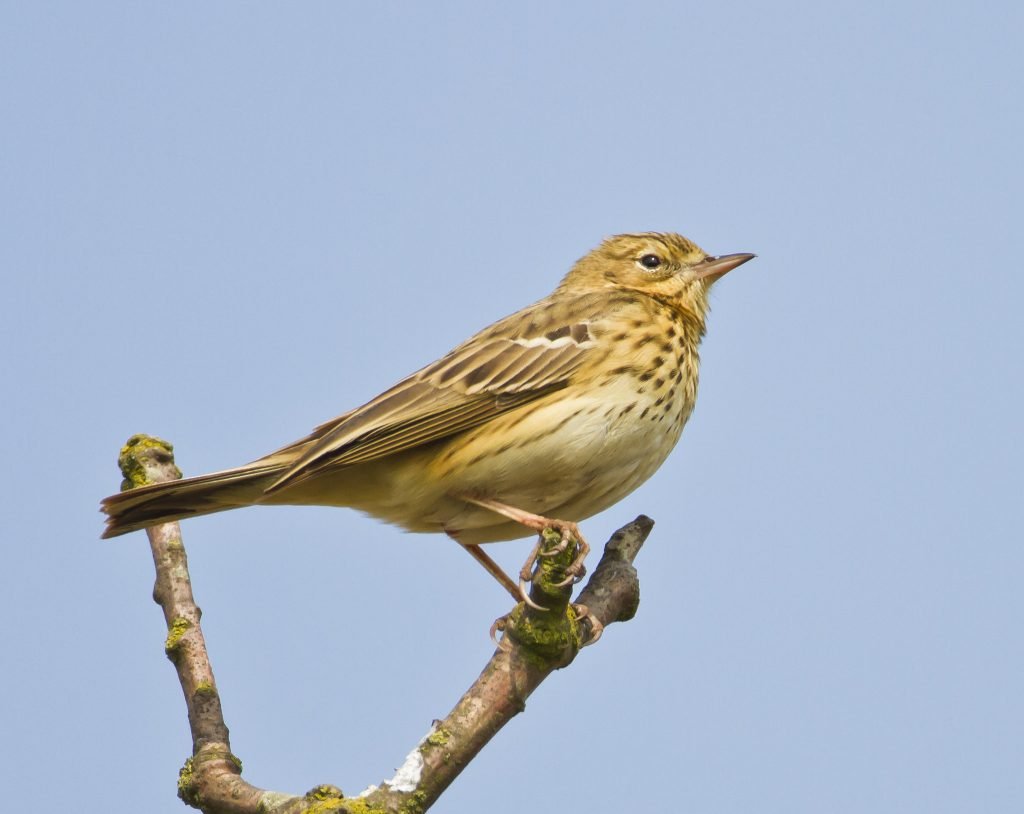
The Tree Pipits appeared in the largest numbers seen since 2011, with 29 territories observed.
According to BTO BirdFacts, the population in the UK has dropped 6% from 1995 to 2024. In the Wealden Heaths Breeding Bird Survey, this species began with a robust population in 1998, had steadily deteriorating numbers after 2005, and has now shown signs of stabilisation and even improvement.
Stonechat
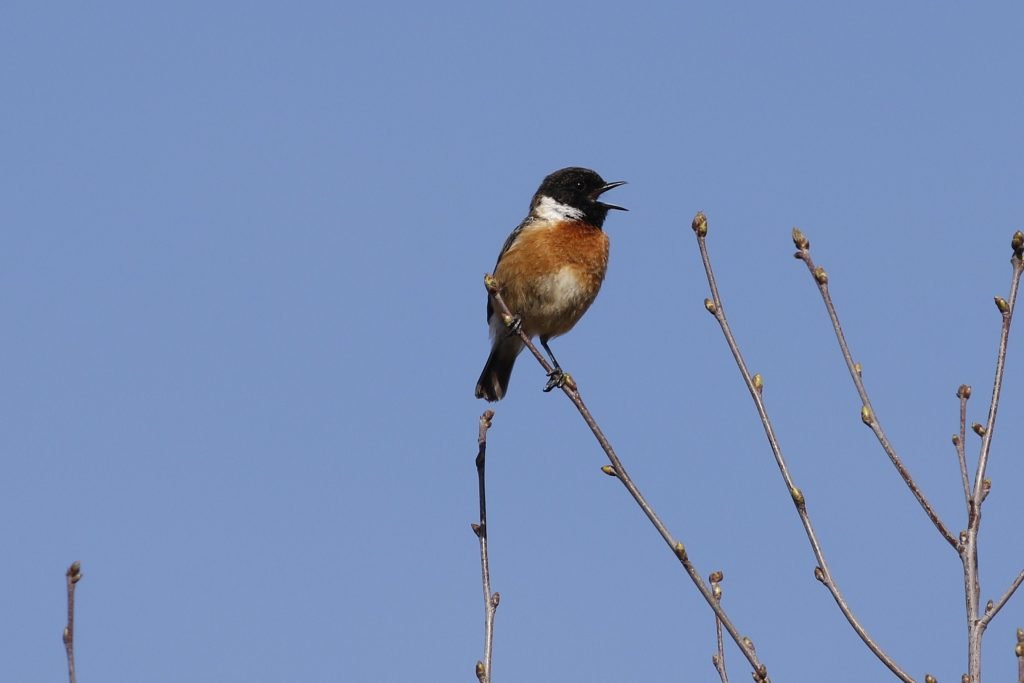
Stonechats benefit from milder winters and can be found on the heaths throughout the year. 49 were recorded in 2026, the same as the previous year. Like the Dartford Warbler, this species has recovered from the severe 2010/11 winter – the population now appears to have stabilised at just under 50 territories.
What’s next for the survey?
The 2027 Survey will begin in February. We currently have surveyors for all twelve heaths except for Stedham and Iping Commons, which is urgently in need.
The Survey will start in mid-February, to find the Woodlarks taking up their territories, and will carry on until late July. Surveyors will cover the individual sites entirely on at least four occasions (more visits welcomed, if surveyors have the inclination and the time), including at least one evening visit in late May or preferably June to detect Nightjar. If there are multiple surveyors for the Stedham and Iping Commons, surveyors may be able to divide the morning and evening visits between them.
If you are interested in surveying this heath, or would like any further information, please contact Alison Giacomelli Alison.Giacomelli@naturalengland.org.uk or Alan Perry on aledgehill@outlook.com. We appreciate the observations of the many birders who contribute to our Society, and would love to have your insights as we prepare for another year of this Survey.
Swift boxes and callers attract birds in droves in Worthing and Adur
The Worthing and Adur Swift Group has had a bumper season attracting Swifts with nest boxes and callers, partially funded by Sussex Ornithological Society (SOS). Their results show how local projects can help these Red-listed birds, and how groups in Sussex can access our funding to make a difference in their communities.
Swifts: an iconic species in jeopardy
Swifts spend nearly their entire lives on the wing. They feed, drink and mate in flight, and are even believed to sleep while flying — closing off one part of their brains to rest while another part, still awake, keeps them aloft.
“They’re a really iconic bird because they nest in houses, so they have a proximity to humans that makes them very visible,” explains Dave Boddington, the Swift Champion at SOS. Their dependence on humans has made them vulnerable as our habits have changed — but it also means that we can take steps to protect them.
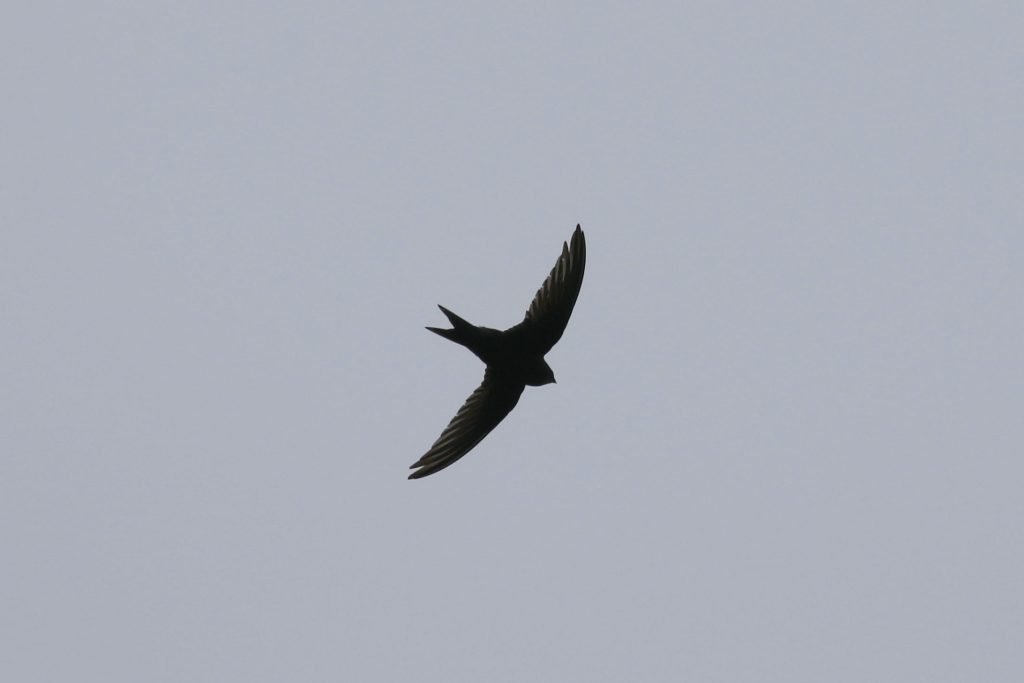
Swifts are now a Red-listed Bird of Conservation Concern, with their population crashing over the last few decades. As of the 2025 Breeding Bird Survey, they’ve experienced a 70% population decline in the UK between 1995 and 2024. Two major factors are believed to have had an impact on this:
- A lack of suitable nesting sites. Older buildings were more likely to have space under the eaves or small crevices in walls where Swifts could nest, while new buildings are designed for greater thermal efficiency and lack the nooks and crannies they seek. Additionally, many old nest sites have been lost due to the installation of new plastic fascia and soffit boards blocking their access.
- Changes to their food supply. Swifts are dependent on airborne insects. Pollution, pesticides, and climate change have impacted these insects, resulting in a shrinking food supply.
Nesting habits
Swifts start their first non-stop flight to sub-Saharan Africa at just six weeks old and often do not land again for two to three years. When they return to the UK, they do so in waves — first, experienced adults return to their favourite nesting sites; then younger birds return to build their first nests; then yearlings return to investigate colonies and prospect sites for future nests.
Once they’ve selected a preferred nesting site, adults will usually return to the same one every year. If their nesting site is moved or blocked, finding a new one can cost them an entire breeding season. This makes it tremendously important for them to have locations they can depend on.
Swift boxes and callers
This is where swift boxes come in: purpose-built boxes, ideally with a large internal cavity and an elongated entrance. Some can be placed under the eaves of existing buildings, and some — created with the same dimensions as a standard brick — can be built into the walls of new builds.
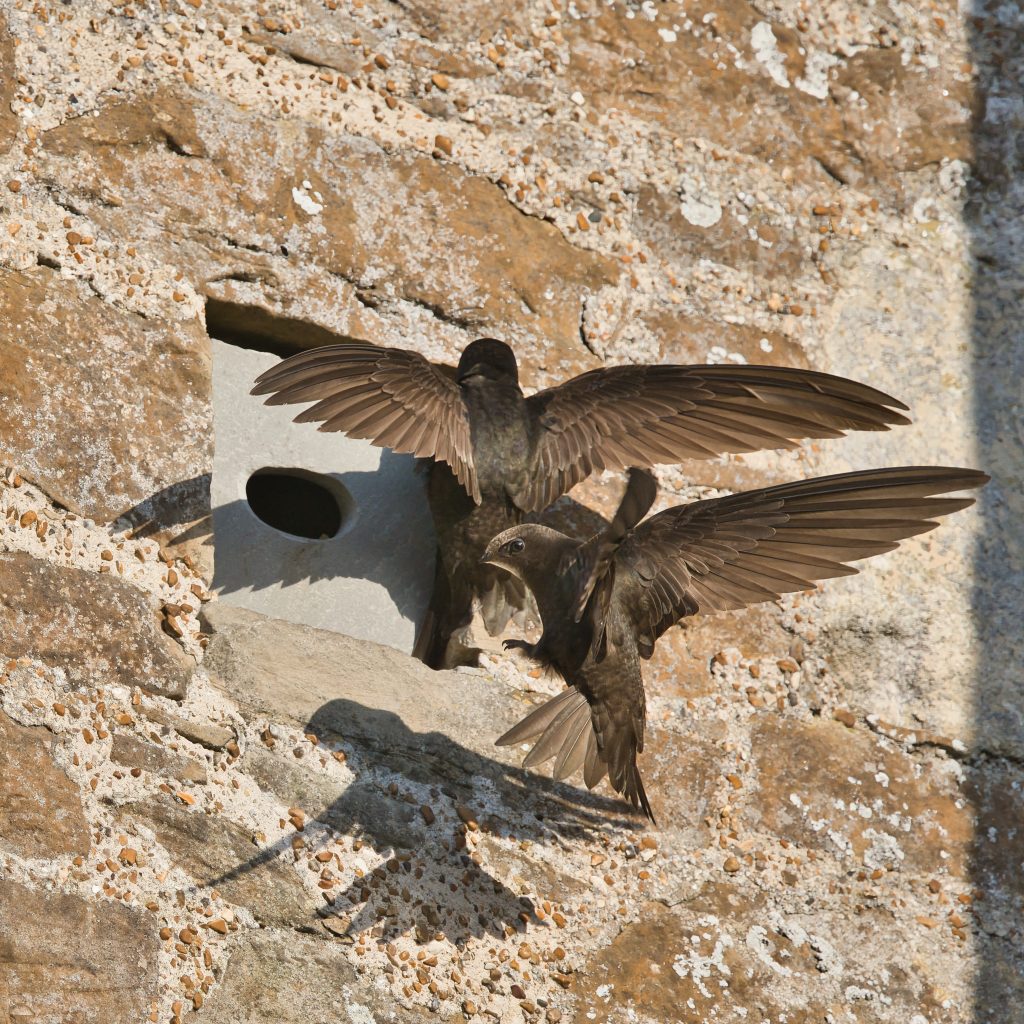
Once a box has been installed, a small speaker that emits swift calls, known as a caller, can also be installed to help the birds notice the box.
When local groups undertake projects to attract Swifts to their neighbourhoods, SOS can provide grants to help them install both swift boxes and callers, depending on their needs.
Successes of the Worthing and Adur Swift Group
In 2026, the Worthing and Adur Swift Group (W&ASG) has had great success with their swift boxes and callers. Homeowners paid for their own boxes and some callers, and 37 of their 57 callers were funded by SOS. Several boxes have already been earmarked by birds for occupation next year — and, since boxes without callers can remain unoccupied for many years and the boxes were installed only this year, this is an exciting result.
In their end-of-season report, the group shared heartening signs about their local Swift colonies:
- At a local church where a caller was retrofitted mid-season, Swifts soon began circling the tower for the first time in years.
- A group member filmed about a dozen prospecting Swifts “besieging” two boxes with a solar-powered caller a few weeks after their installation.
- A householder reported Swifts in her back garden within a day of her box and caller being installed.
- One caller led Swifts to start regularly entering not only the box with the caller, but also two neighbouring boxes. One bird carried feathers into a box, a promising sign of a young pair firmly claiming the box to return and breed next year.
Swift enthusiasts at W&ASG and SOS believe that the high proportion of caller-assisted boxes in the area will greatly accelerate occupation. The waves of young birds and yearlings that have visited the area this year will hopefully result in many young chicks in the years to come.
“We are highly appreciative of the support that SOS has given us this season,” says Steve Lawless of W&ASG. “It has definitely increased the effectiveness of our swift conservation work.”
Applying for SOS funding
If you are undertaking a project to benefit local birds, SOS can help. On our Grant Applications page, you can submit details about your project and its location, costs, and benefits through an online form. We’ll evaluate your project and follow up with you.
Funding local projects is a key part of our mission, and we’re delighted to assist with work that directly helps birds in Sussex.
Surveyors needed urgently for Stedham & Iping Commons (2027 Survey)
We are seeking surveyors for the Stedham & Iping Commons (SU852219) for the 2027 Wealden Heaths Breeding Bird Survey.
This long running survey monitors several breeding species with the emphasis on heathland specialists (Nightjar, Woodlark, Dartford Warbler, Tree Pipit and Stonechat) by the simple method of detecting males holding territory. The core 10 heaths have been surveyed for 27 years.
There are five priority species, and other species can be noted.
The Survey starts in mid-February (to find the Woodlarks taking up their territories) and carries on until late June. We try to cover the individual sites entirely on at least four occasions, including the one early year visit, and two visits (more if you have the inclination and the time) about two weeks apart during May when song activity is at its peak. There will be at least one evening visit in late May or preferably June to detect Nightjar.
The survey is not demanding and the continuous nature of it over more than 27 years has enabled us to providing excellent trends data. They survey is important for the input we are able to give on management issues to the owners and managers of the sites.
If you are interested or would like any further information please contact Alison Giacomelli Alison.Giacomelli@naturalengland.org.uk or Alan Perry on aledgehill@outlook.com tel. 07796 147234.
SWT Eastbourne Regional Group Event
SWT Eastbourne’s SEPTEMBER illustrated talk is by Ken & Linda Smith on ‘LESSER SPOTTED WOODPECKERS: ARE THEY HIDING IN PLAIN SIGHT?’ Ken & Linda are the UK’s leading woodpecker experts, and will share what we know of them and how Passive Acoustic Monitoring is helping to discover more about these elusive birds.
Details:
Thursday 24th September 2026, 7.30pm to 9.30pm
Venue:
The talk will be in the Victoria Baptist Church, Eldon Road, Eastbourne, BN21 1UE, starting at 7.30pm, where there is a large, free, car park (the talk will not be recorded or broadcast online).
(TQ 594002) (what3words ///types.flames.pace)
Everyone is welcome – there is no need to book a ticket, please just come along!
Please also note that entry is by cash only, as we do not have access to any electronic payment system: £5 for entrance. Tea/coffee & biscuits in the break.
Any queries to: Janet Nott, Secretary, SWT Eastbourne Regional Group, secretary.swteastbourne@gmail.com
Kittiwake Colony Abandons Seaford Site During Summer Heatwave
The colony of Kittiwakes nesting at Seaford abandoned their nests during the June heatwave this summer, with the population present in mid-June vacating before the first of July. We hope to see the Kittiwakes return in future years, though rising summer temperatures might not bode well for the colony.
Colony history
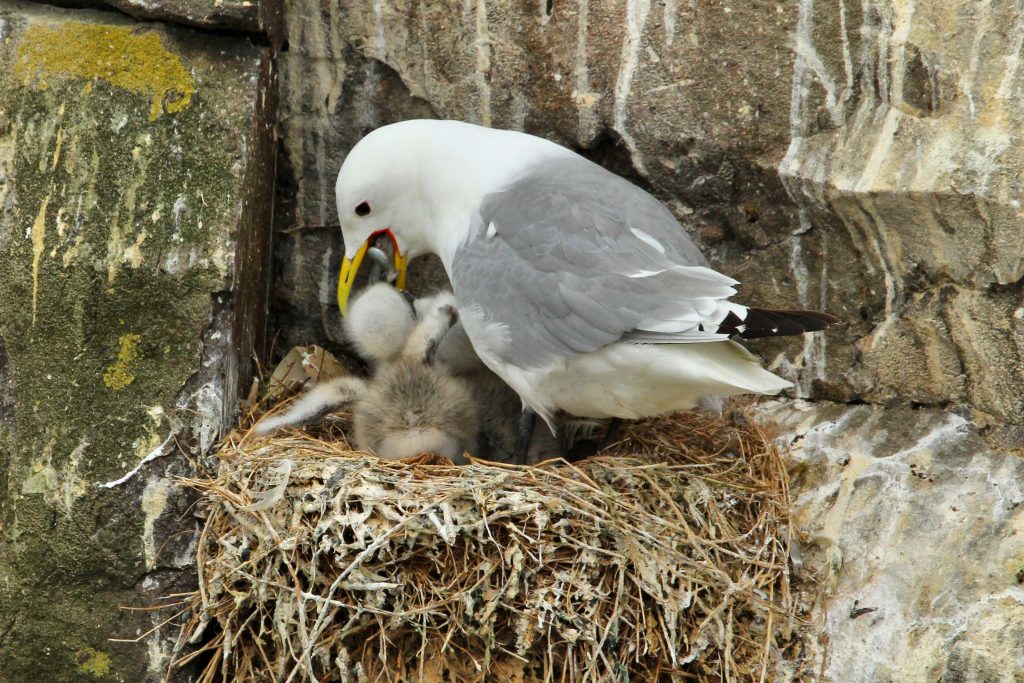
Kittiwakes are a Red-listed cliff-nesting species typically found in the north of the UK, and Sussex is toward the southern edge of their range. “This is the biggest colony on the south coast, and the only remaining one in the southeast,” explains Alison Giacomelli, a member of our Scientific Committee and the leader of our annual Kittiwakes survey.
We have been monitoring the Kittiwakes in Sussex since they first nested in the county in 1976. Initially nesting in Newhaven, they gradually moved to Seaford, with the majority nesting there beginning in 1996.
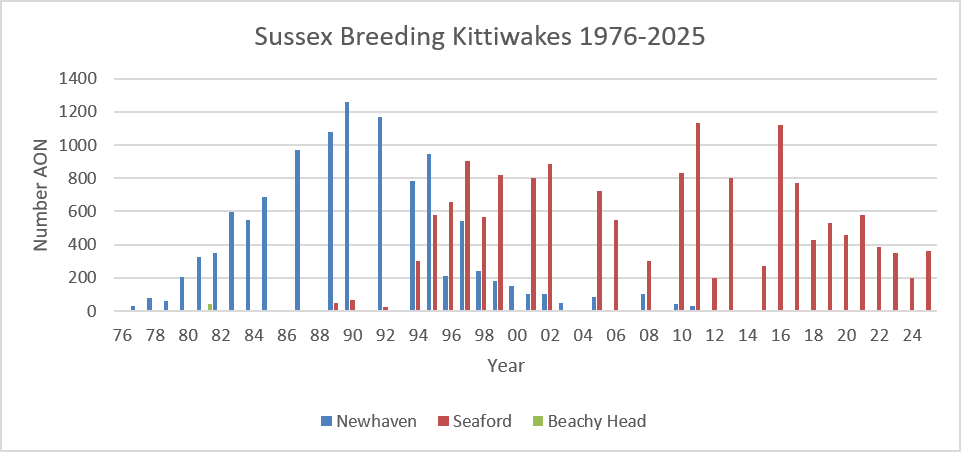
In 2016, when the Kittiwake population was declining at an alarming rate in southern England, this colony was one of only seven to buck that trend. Unfortunately, the last ten years have not been kind. In 2016, we recorded 1,120 nests in the colony. By 2024, we recorded only 202 nests. An increase to 364 nests in 2025 had given cause for optimism about the colony rebounding.
What happened this year?
The summer of 2026 brought record-breaking heatwaves to the UK. The Kittiwakes weathered the first heatwave in May, but based on the timing of the abandonment, we hypothesise that they were unable to withstand the second one in June.
“The south-facing chalk cliff must have been unbearable for them,” says Giacomelli. When she visited Seaford in mid-June, she had counted 200 nests – a promising start, given that the full colony would not have been visible from land. When she returned on the first of July for the official survey, accompanied by a representative of the South Downs National Park Authority and their drone pilot, the site was quiet, with no Kittiwakes on the cliff or nearby on the water.
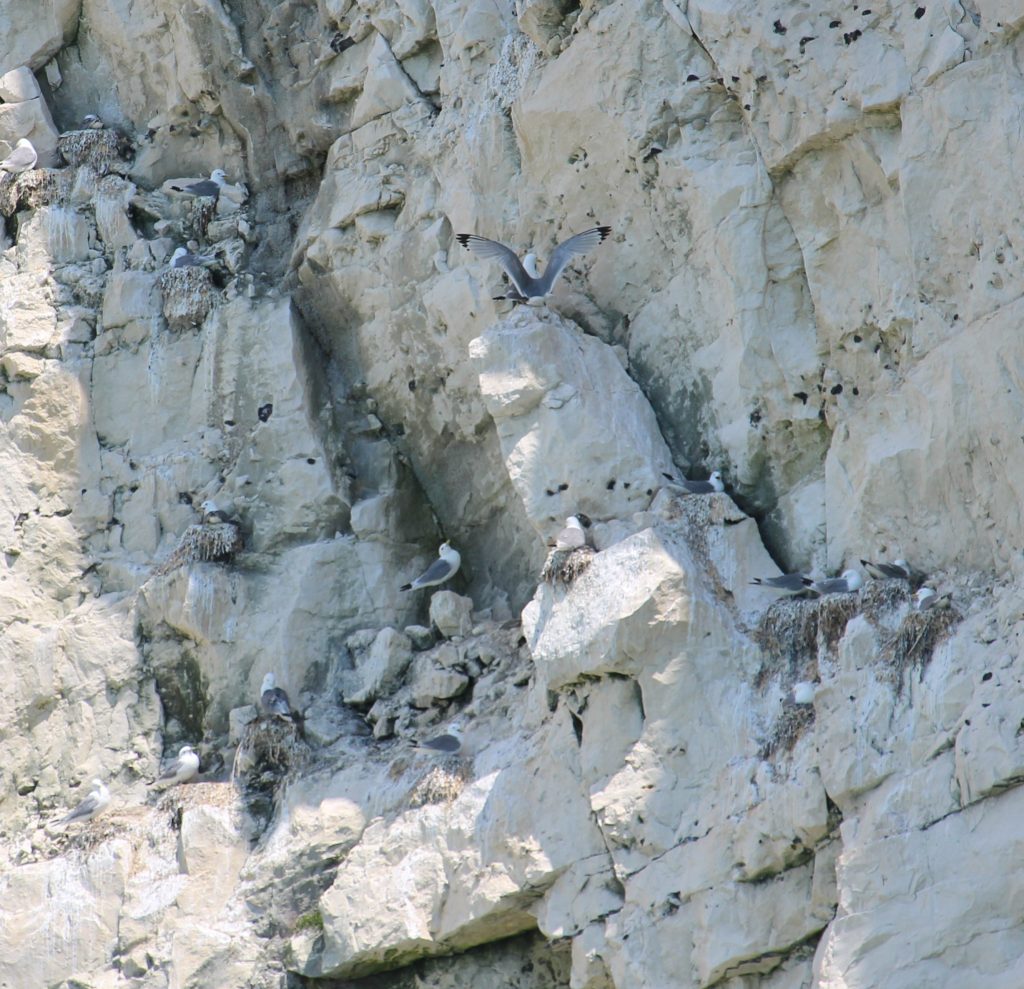
While Kittiwakes have also struggled globally with warming seas impacting the food web they rely on, given the timing, Giacomelli believes the most likely explanation for their departure is that the eggs did not survive the heatwave. This would have left the adults with no reason to stay.
What does this mean for the kittiwakes?
Kittiwakes raise only one brood a year. If nests fail, the adults cannot lay eggs again, and they would have gone out to sea to start their winter period early.
This species lives around twelve years, first breeding around age four, so a colony can withstand poor breeding years. “But this is now a colony that has lost an entire breeding year,” notes Giacomelli.
This year’s abandonment of this Kittiwake colony is a stark reminder of how populations struggle in the face of climate change. The Met Office recently conducted a rapid climate attribution study, concluding that the UK’s record-breaking mean temperature was made around 130 times more likely by human-induced climate change. Climate projections indicate that summer temperatures will continue to rise.
With warmer summers likely in the future, it remains to be seen whether the Kittiwakes will have better luck on the Seaford cliffs in the coming years. They are likely to visit again in future breeding seasons because of their site fidelity, says Giacomelli, while adding that it is also possible that they could avoid Seaford because of the catastrophe this season. “We’ll have to wait and see,” she says. “Here’s hoping for a better year next year.”
Silent Auction Winner Joins Team for Ringing at Knepp Wildland
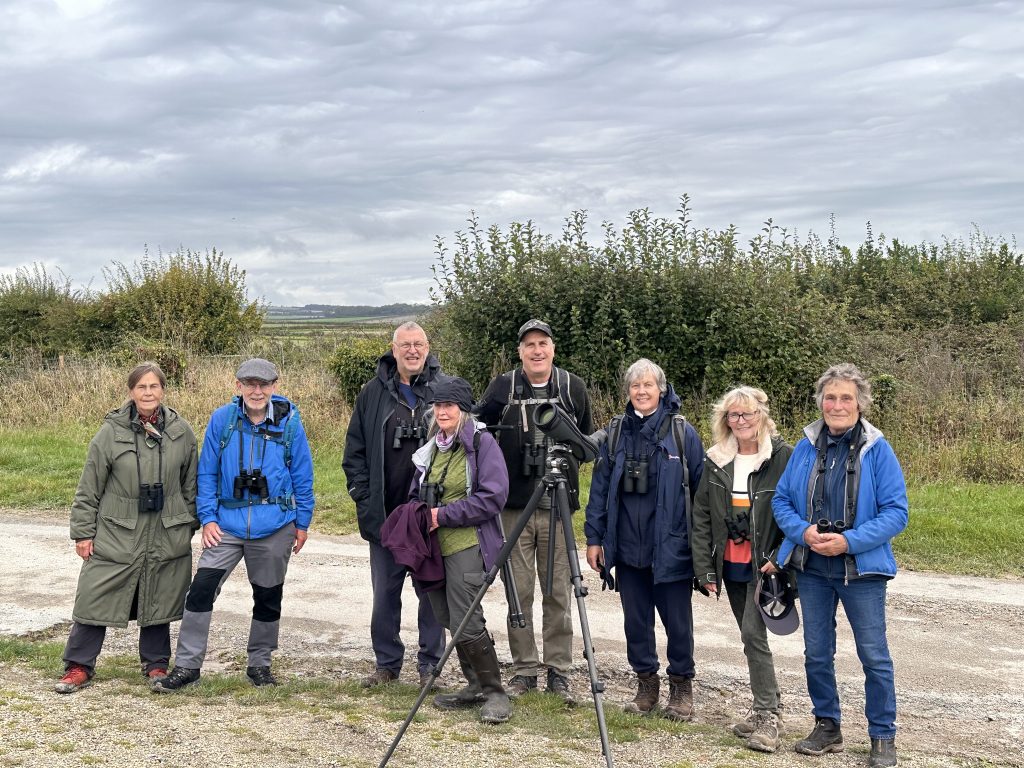
Back in the spring, one lucky birder at our conference’s silent auction won the chance to spend a morning bird ringing with SOS Chair Clare Buckle. On the 22nd of August, our winner joined a team of four ringers – Clare Buckle, SOS Database Manager Dr John Newnham, Knepp Lead Ecologist Matt Phelps, and Becky Parangi-Sayers – for a sunny session at the Knepp Wildland.
What is bird ringing, and why does it matter?
For anyone new to it, ringing involves carefully catching wild birds in fine-mesh mist nets, fitting each with a uniquely numbered and lightweight metal ring around its leg, recording a set of measurements, and releasing each unharmed. Every ring carries a unique number so that, if the bird is ever caught again, its movement can be traced. This gives us valuable insight into lifespans, migration, and how well the population is faring.
Knepp is a particularly rewarding place to do this work. The estate’s rewilding project has transformed former farmland into a medley of scrub, wetland, and wood pasture that supports a diverse population of birds.
An early start and a busy morning
The team met at 6am to put up five mist nets. They targeted passerines, or perching birds, to see which species were using Knepp during their migration journey. It was a productive morning with 65 birds caught in total.
Willow Warblers were the most numerous species, with a total of 29 birds ringed. One was a paler adult, and the rest were all lemon-yellow juveniles.
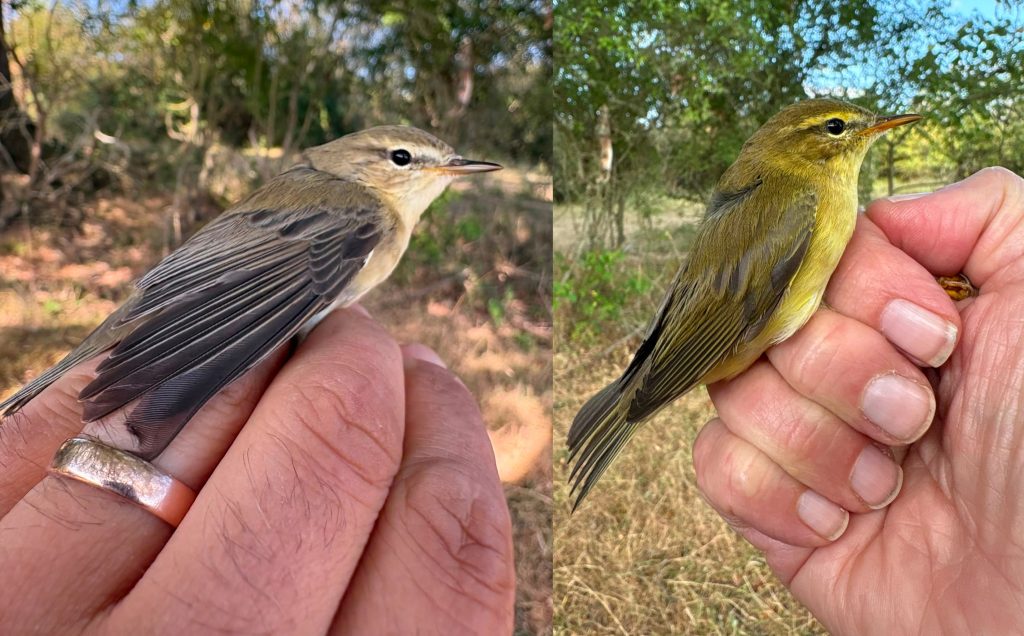
Common Whitethroats and Lesser Whitethroats passed through the site, along with plenty of Blackcaps. But the star of the day was a beautiful juvenile male Redstart, with its rust-red tail on full display.
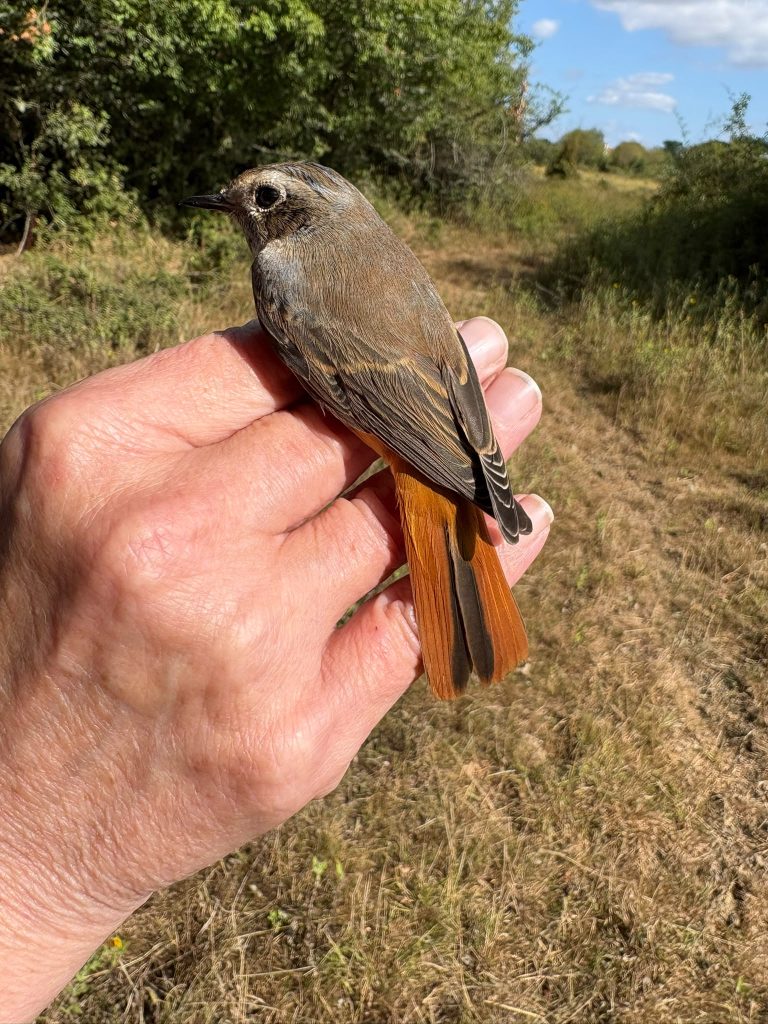
These species travel incredible distances as they migrate. Redstarts head for the Sahel region of Central and West Africa for the winter, while the Willow Warblers and the Common Whitethroats face an even longer journey. Some travel as far as South Africa before returning to Sussex to breed in the spring. That’s a round trip of about 8,000 miles!
Along with these migrating birds, the team also caught a stunning male Bullfinch, Blue and Great Tits, and a Goldcrest – Britain’s smallest bird.
Hands-on science
Throughout the morning, the ringers talked our winner through the techniques used to age and sex each bird – from plumage details like the juvenile Willow Warblers’ yellow wash, to more subtle clues in feather shape, wear, and signs of moult. They took biometric measurements, including wing length, weight, and stored fat. Our winner also got the chance to handle and release several birds themselves.
A huge thank you to Clare, John, Matt, and Becky for sharing their expertise, and to Knepp for hosting. Sessions like this are more than a memorable day; the data collected builds up our understanding of how Sussex’s migrant birds are faring, at a time when many species are under real pressure.
Keep an eye out for our 2027 conference – we hope to offer a ringing session at another silent auction next year!
All birds ringed and released under licence by BTO ringers.
Volunteer Role: Web Manager for Sussex Ornithological Society (SOS)
SOS is seeking a proactive and capable Web Manager to help maintain and develop our website, www.sos.org.uk — the Society’s main platform for sharing bird sightings, news, events, volunteering opportunities, membership information, grants, and committee updates.
The site is built on WordPress, and we’re looking for someone who enjoys keeping digital content organised, accurate, and engaging. You don’t need to be a developer or a bird expert, but you should be comfortable using WordPress or a similar content management system and confident reviewing and improving online content.
Key responsibilities include:
- Putting energy into getting fresh content from volunteers
- Keeping pages clear, consistent, and easy to navigate.
- Working with SOS volunteers to refresh content across news, events, policies, committees, grants, and the Young Birders Scheme.
- Supporting teams who manage MemberPress (our membership system) and Recent Sightings, when wording or layout updates are needed.
- Liaising with our external website service provider for technical support.
- Contributing to SOS’s Membership & Publicity Committee and Communications Committee (five online meetings per year each).
You will bring:
- Experience with WordPress or similar platforms.
- A proactive, organised approach and attention to detail.
- Confidence reaching out to volunteers for information or updates.
- An interest in clear communication and good user experience.
This is a flexible volunteer role that plays a vital part in SOS’s public engagement and digital presence. If you enjoy improving websites and working collaboratively, we’d love to hear from you.
Please find attached the role profile.
Any questions?
For more information about this role, please contact Jonathan Cook, Chair, Membership and Publicity Committee, Sussex Ornithological Society on 07854 060720 or email jonathancook44@hotmail.com.
Chyngton Brooks: A Major Win for Sussex’s Wetland Birds
On 16th July, the South Downs National Park Authority granted planning permission for the National Trust’s proposed restoration of 42 hectares (100 acres) of saltmarsh and mudflat at Chyngton Brooks.
SOS submitted a letter of support for this application, and we’re delighted to see it approved.
This project will provide valuable habitat for wetland birds, especially species that overwinter in the area. Curlew, Dunlin, and Lapwing – all red-listed species – will benefit from the increased area of saltmarsh and mudflats. It will also increase the biodiversity in Sussex, which holds less than 1% of the saltmarsh in the UK.
The western bank of the Cuckmere River will be breached in five locations, allowing the tide to flow in and out and gradually recreating saltmarsh and mudflat. Historically, Chyngton Brooks was made up of intertidal habitat, but in 1846, the land was drained to make it more suitable for agricultural use. This resulted in the loss of coastal habitat and in reliance on sea defences that are expensive to maintain. By working with the natural processes of the coastline and building on their past success with managed realignments, the National Trust will return the western floodplain of Chyngton Brooks to a naturally functioning estuary habitat.
Access for birders will also be improved. A section of the existing footpath that is difficult to navigate in wet weather and is degrading in many places will be replaced with a new footpath slightly up the slope, where it will be less prone to flooding. It will link up with the Vanguard Way/King Charles III England Coast Path. A detailed map is available on the National Trust’s project page. Walkers will be able to use the new footpath for good views across the estuary without disturbing the birds.
The National Trust project schedule has work starting in 2026-2027. The area will gradually revert to saltmarsh over time, with pioneer saltmarsh species likely to colonise the site within a year, and well-developed saltmarsh vegetation to be established over the next few years.
The SOS welcomes this change, and looks forward to the benefits that birds and birders will both enjoy.
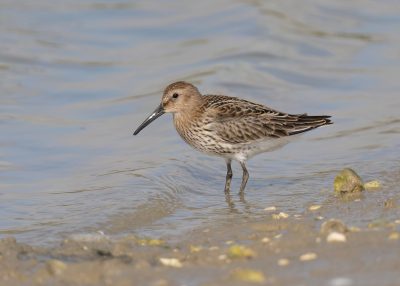
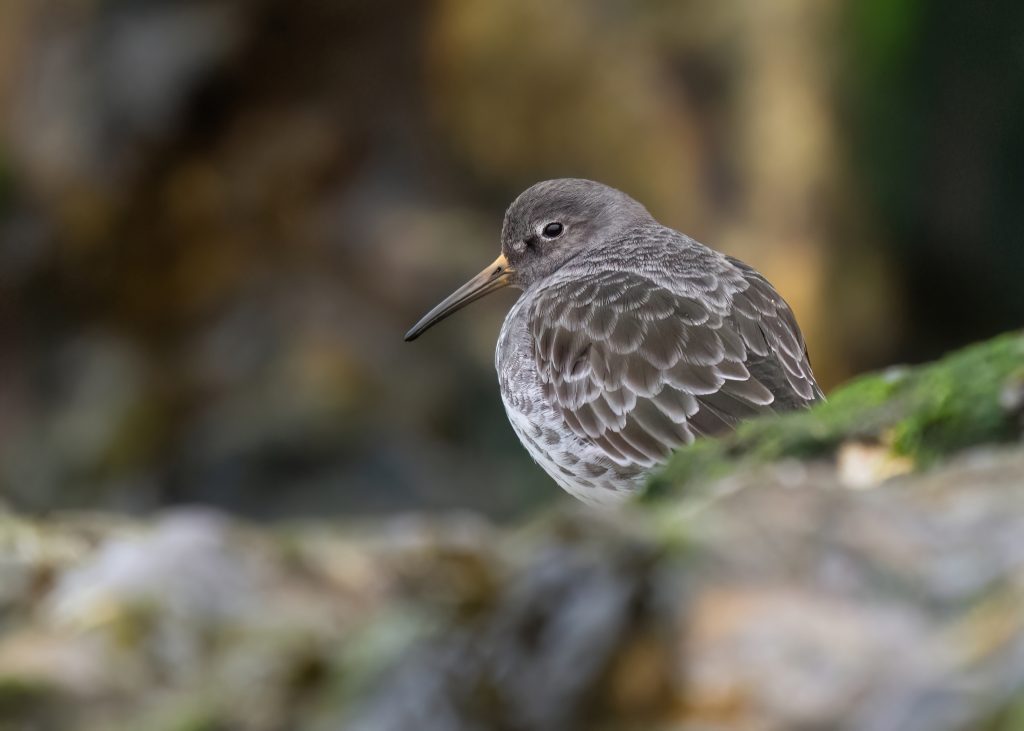
A Dunlin. Photo by Gary Faulkner.