
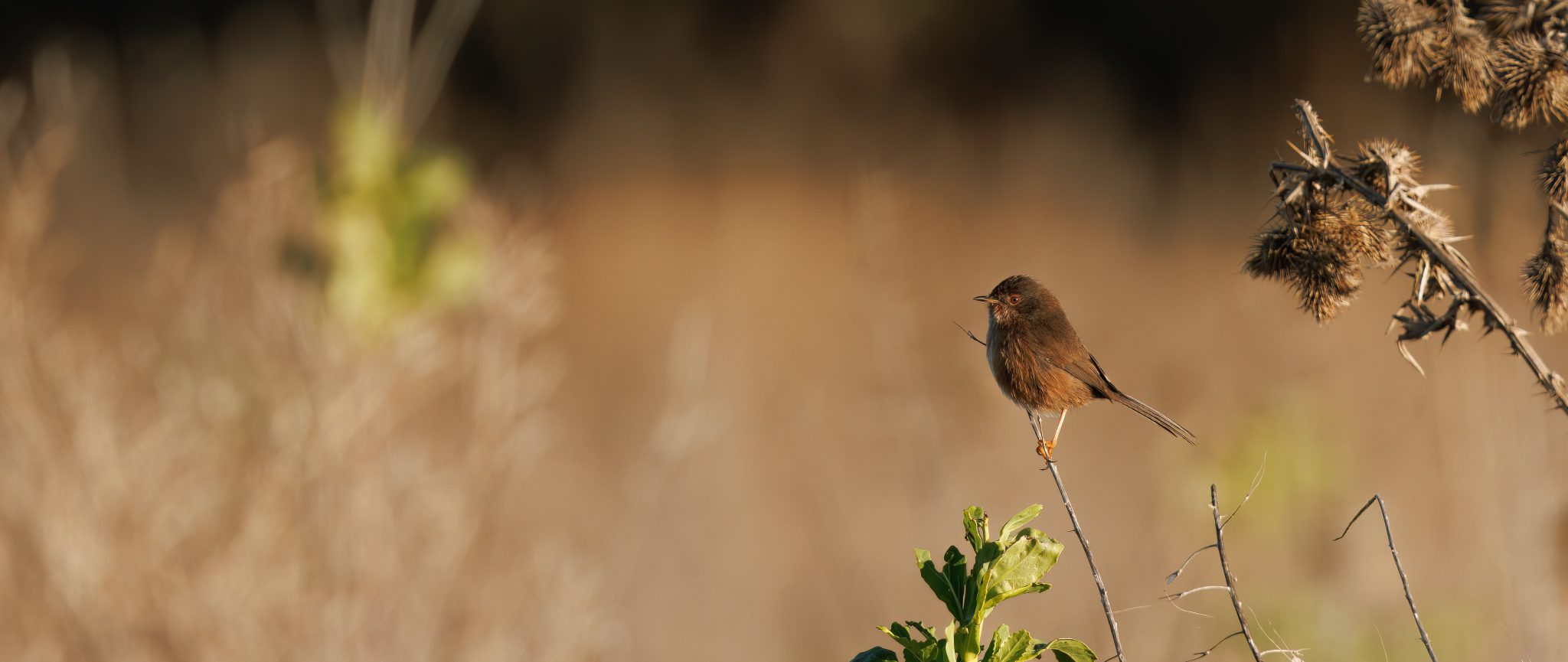
October Birding Targets in Sussex – By Paul James
October is one of the most exciting months of the year for birding in Sussex. Autumn migration continues, with the departure of the last summer visitors and the arrival of the first true winter visitors, including Brent Geese, Redwings and Fieldfares.
Weather can have a major influence on what is found. South-easterly winds combined with overcast, damp or drizzly conditions can be particularly productive for Ring Ouzels, while also bringing birds from continental Europe and creating the potential for some of the year’s most exciting rarities. For the Sussex birder, almost any day in the field can produce a surprise.
This is the final article in the series, and October provides a fitting conclusion, with a combination of winter arrivals, visible migration, seawatching and the ever-present possibility of finding something unexpected.
Winter visitors arrive
One of the most noticeable changes during October is the arrival of our winter visitors. The first Dark-bellied Brent Geese will have already reached Sussex by the end of September, but numbers typically build through October as more birds arrive from their Arctic breeding grounds. Flocks of Brent Geese and other wildfowl can be seen moving along the coast before settling at sites such as Pagham and Chichester Harbours.
October is also the month when the first Redwings and Fieldfares begin arriving from Scandinavia. Listen for the thin, high-pitched calls of Redwings passing overhead, particularly at night.
Other winter visitors to look for include Brambling, Siskin and Redpoll, although numbers of these species can vary considerably from year to year. Early signs suggest that this could be the first autumn and winter period with plentiful beech mast since 2023/24. If that proves to be the case, there is hope for good numbers of Bramblings and other finches in the county’s beech woods.
Migrant passerines
Although many of the summer visitors have now departed, October can still produce a good variety of migrant passerines. Coastal bushes, hedgerows and areas of scrub should be checked carefully, particularly during periods of suitable weather.
Blackcaps and Chiffchaffs remain among the commonest migrants, with birds continuing to move through Sussex well into the month. Firecrests, Goldcrests and continental Robins can also be encountered in suitable cover, while Black Redstarts, Stonechats and Wheatears are worth looking for in open areas along the coast and on the Downs.
October is also a particularly good month for Yellow-browed Warbler. These tiny Siberian migrants are regular autumn visitors to Sussex, albeit in lower numbers than on the east coast. Coastal sites such as Beachy Head, Seaford Head and Pagham Harbour are all capable of producing birds. Their distinctive, high-pitched call is much easier to detect than the birds themselves, so learning the call is highly recommended.
Ring Ouzels
October is potentially one of the best months of the year to look for Ring Ouzel in Sussex as birds pass through the county on their autumn migration.
South-easterly winds combined with overcast, damp or drizzly weather can be particularly favourable, with birds settling temporarily to forage in areas of rough grassland, short turf, scrub and scattered bushes.
Beachy Head and Cissbury Ring are the obvious places to try, but other suitable areas of downland should not be overlooked. Ring Ouzels can be surprisingly elusive, so scanning carefully from a vantage point is often more productive than simply walking from bush to bush.
Migration spectacles
October can provide some impressive visible migration as birds continue to move along the Sussex coast and Downs. Large flocks of Brent Geese may pass westwards close inshore, while on suitable mornings visible migration watches at places such as Beachy Head and Fairlight Country Park can produce a steady stream of birds moving along the coast. Chaffinches, Goldfinches, Linnets, Redpolls, Siskins, Meadow Pipits and Skylarks can all feature, with the composition of the movement varying according to the weather and wind direction. Scarcer species such as Brambling and Woodlark are also possible.
Seawatching
October can be an exciting month for seawatching, particularly when strong winds develop. As seabirds move through the Channel, autumn gales can bring birds close to shore and provide opportunities for species that are otherwise difficult to see from land.
Balearic, Manx and Sooty Shearwaters, along with Arctic and Great Skuas, are key targets. Exposed viewpoints such as Selsey Bill, Splash Point, Cow Gap and Langney Point are worth checking when conditions are favourable.
Scarcer species including Grey Phalarope, Leach’s Storm Petrel and Sabine’s Gull are among the other possibilities, particularly after severe gales.
It is worth remembering, however, that October seawatching can be hard work. Long periods of apparently empty sea are inevitable, but perseverance can occasionally be rewarded spectacularly.
Raptors
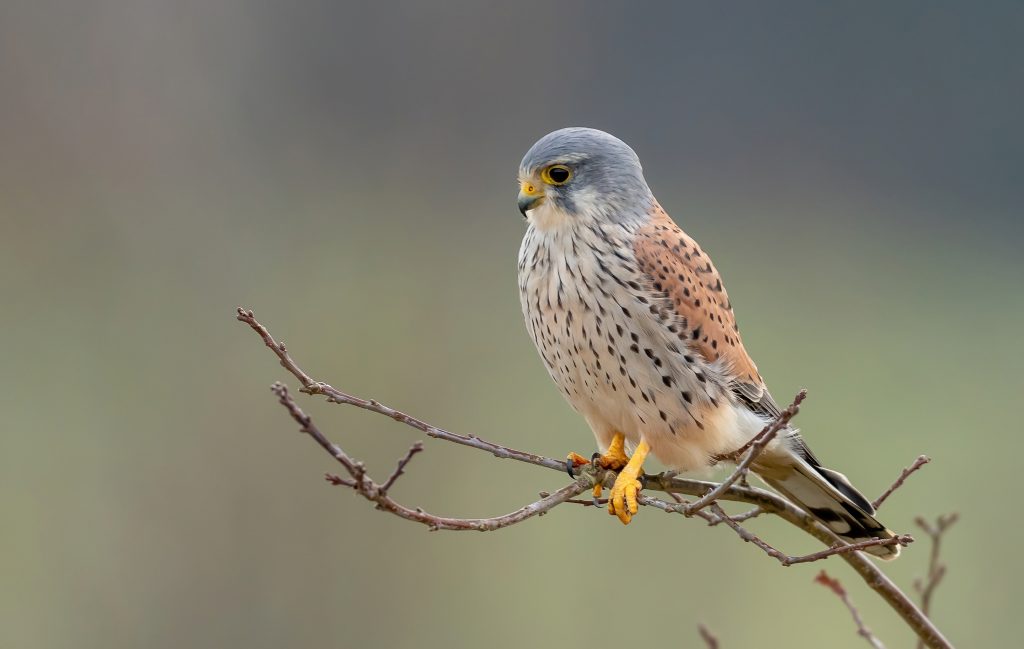
October sees the return of Hen Harriers and Merlins to Sussex, where they spend the winter hunting over areas of open downland and the various river valleys that cut through the Downs.
The Burgh, near Burpham, is an often reliable site for both species, while other possibilities include Amberley Wildbrooks and Pulborough Brooks in the Arun Valley.
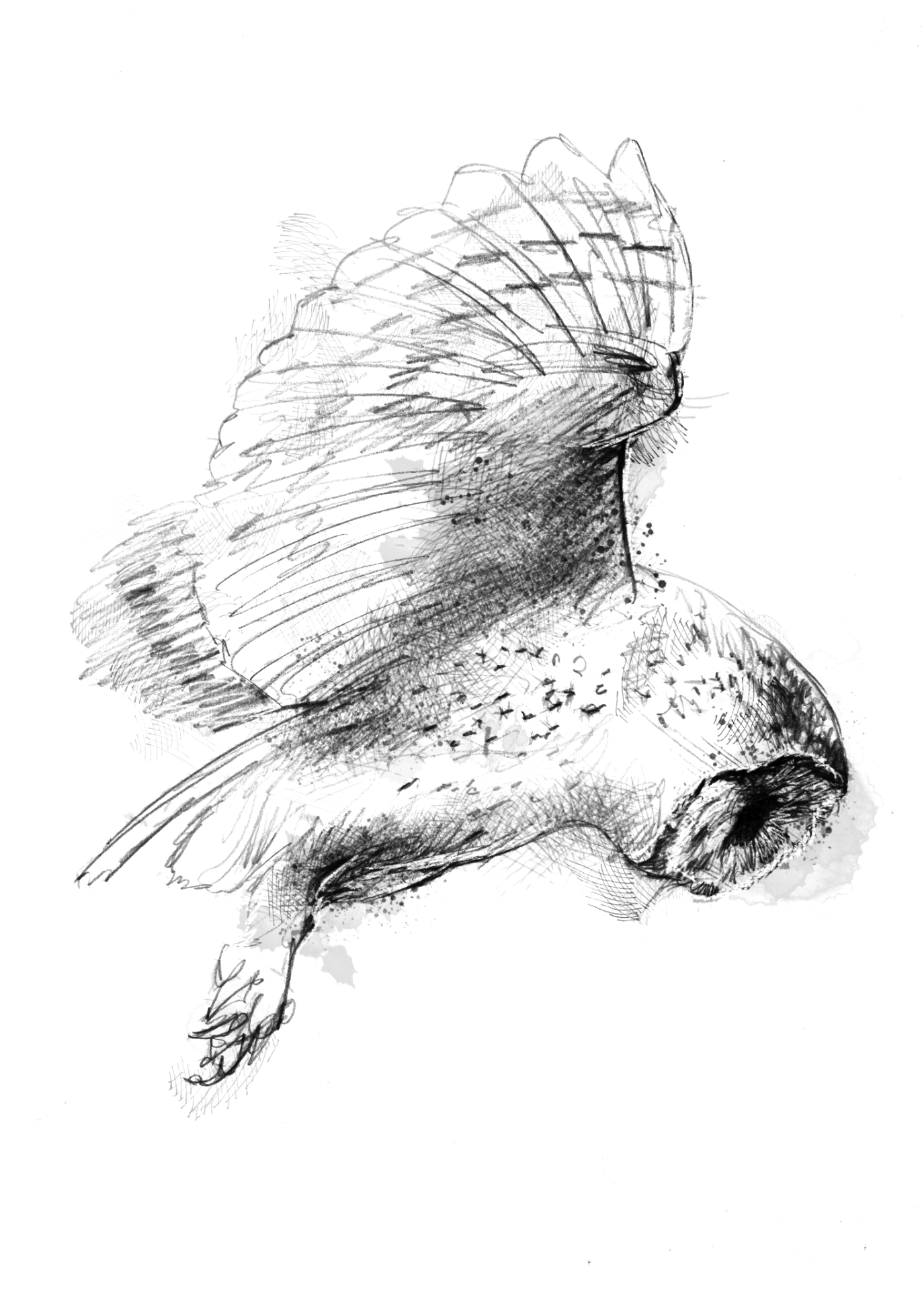
There have already been a number of sightings of Short-eared Owls at coastal sites such as Beachy Head, Seaford Head and the Selsey Peninsula this autumn. Further sightings are likely at these locations throughout October as more birds arrive from the continent to spend the winter in the UK.
Rarities
October is potentially one of the most exciting months of the year for finding a rarity in Sussex. The county’s position on the south coast means that birds displaced from continental Europe and further afield can turn up, particularly following periods of easterly or south-easterly winds when they may make landfall along the Sussex coast.
Coastal bushes, gardens, sheltered valleys and areas of scrub should all be checked carefully after suitable weather. Dusky Warbler, Pallas’s Warbler, Radde’s Warbler and Little Bunting are among the possibilities that can generate considerable excitement.
Better still would be a twitchable Olive-backed Pipit or Red-flanked Bluetail, both of which have occurred previously in Sussex in October, but unfortunately none of the previous records has lingered long enough to give local birders a realistic chance of seeing them.
Tips for October Birding
• Check the weather: Easterly and south-easterly winds can bring migrants, including Ring Ouzels, as well as rarities from continental Europe. October is a prime month for something genuinely unexpected to turn up.
• Watch the skies: Visible migration can produce large movements of finches, pipits and Skylarks, particularly along the coast and Downs.
• Keep seawatching: Autumn gales can bring shearwaters, skuas and other scarce seabirds within range of the Sussex coast.
• Check suitable cover: Coastal bushes, scrub, gardens and sheltered valleys can all hold migrant passerines and, occasionally, something much rarer.
October offers an excellent finale to the birding year and to this series. With winter visitors arriving, migration still in full swing and the possibility of a Sussex rarity around almost every corner, there is every reason to get out birding and see what the month can produce.
September Birding Targets in Sussex By Paul James
September is another exciting month of the year for birding in Sussex.
Autumn migration is now in full swing, with birds arriving from the north and east while our own breeding birds head south towards their wintering grounds. Almost any day can produce something interesting, including passage waders moving through our wetlands, seawatching with the potential for exciting seabirds, and coastal bushes filled with migrant warblers, chats and flycatchers. It is also one of the best months of the year for finding a rarity, particularly after easterly winds or autumn gales.
Passage waders
September remains an excellent month for passage waders, with adult birds joined by increasing numbers of juveniles making their first journeys south. With some very welcome rain in the last few days, mudflats, shallow pools and flooded fields should be checked carefully for a variety of species including Black-tailed Godwit, Common and Green Sandpipers, Dunlin, Greenshank, Knot, Ringed Plover and Ruff. Curlew Sandpiper, Little Stint, Spotted Redshank and Wood Sandpiper are among the scarcer possibilities, particularly after easterly winds.
Migrant passerines
September is the month when Sussex’s coastal and downland bushes can become very productive. Birds migrating south from Britain may stop to feed on the prolific elderberries and blackberries before crossing the Channel, with the potential for even a small patch of scrub to contain a variety of species.
Chiffchaff and Blackcap are among the commonest migrants, while Common Whitethroat, Lesser Whitethroat, Garden Warbler, Reed Warbler and Sedge Warbler continue to move through.
The real excitement, however, comes when, on the rare occasion, the weather produces a fall. Pied and Spotted Flycatchers, Redstart, Tree Pipit, Wheatear, Whinchat and Yellow Wagtail are all species worth searching for, especially at some of the migrant ‘hotspots’ including Beachy Head and Seaford Head, while Cissbury Ring, Climping Gap and Pagham Harbour are also well worth exploring.
September is one of the best months of the year to look for Wryneck in Sussex. These beautifully cryptic woodpeckers are recorded every autumn in Sussex, but their camouflage makes them notoriously easy to overlook.
Wrynecks are especially associated with easterly winds and periods of migration activity. Areas of rough grassland and scrub at places such as Beachy Head, Cuckmere Haven, Newhaven Tidemills, Seaford Head, Sheepcote Valley and Church Norton all have the potential to hold this species. Wrynecks can sit motionless for long periods, so patience is essential. Don’t assume that a seemingly empty patch of rough grass is birdless – scan carefully and watch for movement on the ground.
Migration Spectacles
September can provide some of the most spectacular visible migration spectacles of the year in Sussex. Two movements are particularly worth noteworthy: the westward passage of returning Brent Geese along the coast and the spectacular movements of large numbers of coasting Swallows and House Martins.
The first returning Dark-bellied Brent Geese begin to reach Sussex from their Arctic breeding grounds during September. They can be seen moving westwards along the Sussex coastline, heading for the mudflats and surrounding fields of Pagham and Chichester Harbours where they spend the winter. Usually they are in small groups close inshore, but sometimes much larger flocks may be seen.
The middle of September can also bring impressive coastal movements of Swallows and House Martins. On suitable days, particularly when there is a stiff breeze, huge numbers can be seen streaming east or westwards into the wind. Beachy Head is one of the best places to witness this phenomenon, where on the right day you may be fortunate to witness a continuous movement along the cliff edge, often just a few feet away.
Remember, though, that the chalk cliffs in Sussex are precarious and that cliff falls do occur, so don’t be tempted to stand too close to the edge.
Seawatching
September is potentially an exciting month for seawatching. As seabirds move south through the North Sea and into the English Channel, strong onshore winds can bring them closer to shore and increase the chances of seeing species that are otherwise difficult to find from land.
Gannet, Kittiwake, Sandwich Tern, Common Tern and Arctic Skua should all be on the radar, while stronger winds can produce much scarcer species. Balearic Shearwater is one of the major targets. September is an excellent month to look for them as they move through the Channel, with exposed viewpoints such as Selsey Bill, Splash Point, Cow Gap and Langney Point all capable of producing sightings in suitable conditions. In September 2025, record-breaking numbers of this critically endangered seabird occurred at Selsey Bill, and it will be interesting to see if there is any repeat in 2026.
Scarcer species such as Long-tailed Skua, Grey Phalarope, Sabine’s Gull and Sooty Shearwater are other possibilities, particularly after autumn gales. A seawatch can be frustratingly quiet for hours, but a sudden movement of seabirds can make all that waiting worthwhile.
Ospreys and Honey-buzzards
September is a particularly good month for Osprey in Sussex as birds continue their autumn migration. Unlike spring migrants, which can pass through quickly, some autumn birds may stop at suitable wetlands and remain for several days.
Chichester Harbour is the most reliable location, especially Thorney Island, where up to seven birds lingered during September 2024. Pagham Harbour is another regular site, but inland reservoirs, lakes and larger wetlands can also attract migrating birds where they may linger for several days. Arlington Reservoir, Weir Wood Reservoir and other suitable water bodies are worth checking, particularly when there are reports of birds moving through the county.
September can also produce Honey-buzzard on migration, especially at Beachy Head. Some of these birds will have spent the summer breeding in the UK, as confirmed by photographs that have been linked back to known breeding pairs in Sussex.
Other raptors to look for include Hobby, Merlin and Marsh Harrier. September can also be a good month for sightings of Short-eared Owl, with early signs suggesting that this is likely to be a good winter for them following a successful breeding season.
Rarities
September is one of the best months for rarities in Sussex. Coastal bushes are perhaps the most obvious place to start. Wryneck, Red-backed Shrike, Barred Warbler and Yellow-browed Warbler are all exciting September possibilities, especially after easterly or southeasterly winds.
Wetlands are worth equal attention. Scarce waders such as Buff-breasted Sandpiper, Pectoral Sandpiper, Red-necked Phalarope or Temminck’s Stint are all possible while flocks of Eurasian Golden Plover have the potential to hold an American Golden Plover or Dotterel, as happened at Jury’s Gap in September 2025.
Tips for September Birding
• Check the weather: Easterly and south-easterly winds can produce falls of migrants and increase the chances of eastern rarities.
• Work every bush: September migrants can be hiding almost anywhere, so don’t ignore small patches of scrub, hedgerows and isolated bushes.
• Scan every wader flock: Scarce species can be tucked away among flocks of commoner species.
• Try a seawatch: Strong winds can produce Balearic Shearwaters, skuas and other seabirds close to shore.
• Watch for raptors: Ospreys and Honey-buzzards are both possible during September, particularly when conditions (settled weather with northeasterly winds) encourage migration.
For the Sussex birder, there are few better times of year to be in the field. Whether it is a flock of newly arrived Brent Geese, an Osprey circling over a harbour, a Wryneck hiding in coastal gorse or a Sooty Shearwater powering west through heavy seas, September offers plenty of exciting possibilities.
August Birding Targets in Sussex By Paul James
August marks the point when autumn migration really begins to gather pace in Sussex. Summer may still be firmly in evidence, with long days and warm weather, but the first signs of the changing season are everywhere. Waders are moving south through our wetlands, summer visitors are beginning their journeys to Africa, and the first waves of migrant passerines are starting to appear along the coast and across the Downs.
For the Sussex birder, August is a month of transition. The last of our breeding birds remain, but increasingly they are being joined by travellers from much further north. With the right weather, almost anywhere can produce something of interest, although coastal wetlands, downland and headlands are particularly worth exploring.
Passage waders
August is arguably the best month of the year for passage waders in Sussex. Adults that have completed their breeding attempts in northern Britain, Scandinavia and the Arctic are already heading south, with juveniles following later in the month on their first migration.
Wetlands with exposed mud and shallow water can consequently be exceptionally productive. Black-tailed Godwit, Common and Green Sandpipers, Dunlin, Little Ringed Plover and Whimbrel are all realistic targets, while careful scanning can produce scarcer species such as Little Stint, Curlew Sandpiper, Wood Sandpiper and Spotted Redshank.
Good places to look include Medmerry, Pagham Harbour, Pulborough Brooks, Cuckmere Haven and Rye Harbour. As ever, however, water levels are crucial. With the long, hot summer we are experiencing, some wetlands have dried out completely, leaving little or no suitable habitat for passage waders. Where wet mud remains, though, the rewards can be considerable.
Migrant passerines
By the middle of August, the first substantial waves of autumn passerine migration should be underway. Willow Warblers are among the earliest species to move in significant numbers, while Chiffchaffs, Blackcaps, Common and Lesser Whitethroats, and Reed and Sedge Warblers gradually become more numerous.
The movement of Sand Martins is already well underway, while Swallows and House Martins gather in increasing numbers as they prepare for their eventual departure.
The most exciting days are those when the weather produces a genuine fall of migrants. Coastal and downland sites can suddenly come alive, with tired birds dropping into bushes and hedgerows to feed and recover.
The entire stretch between Birling Gap and Beachy Head is worth checking, as are Cissbury Ring, Climping Gap, Pagham Harbour and Seaford Head. Cloudy conditions combined with light rain and overnight winds from the east or south-east can be particularly productive.
Among the more desirable migrants to look for are Common Redstart, Spotted Flycatcher, Tree Pipit, Wheatear, Whinchat and Yellow Wagtail, while a lucky observer might encounter a Grasshopper Warbler or Pied Flycatcher.
Seawatching
August can also produce some rewarding seawatching, particularly when strong onshore winds push birds close to the Sussex coast. Selsey Bill, Splash Point and other exposed viewpoints are well worth checking during suitable weather.
Common Terns and Sandwich Terns should be among the more obvious species, but check carefully for scarcer species such as Arctic and Black Terns and Little Gulls.
Offshore concentrations of terns can also attract the attention of Arctic Skuas. These formidable pirates pursue terns relentlessly until their victims disgorge the contents of their crops, which the pursuing skua then catches in mid-air.
August is also potentially a good month for the critically endangered Mediterranean Shearwater with Selsey Bill likely to hold the lion’s share should any appear.
Honey-buzzards and Ospreys
August provides the last real opportunity to look for breeding Honey-buzzards in Sussex before the birds begin their autumn movements.
The county’s breeding population now exceeds 20 pairs, making Sussex one of the best places in Britain to look for this elusive species. Established viewpoints at Ashdown Forest and Woolbeding Common offer opportunities to watch adults soaring above the woodland, particularly during warm, sunny weather when they take to the air in search of food for their recently fledged young. Other birds of prey which may well be encountered as these sites in August include Goshawk, Hobby and Red Kite.
Osprey, unlike Honey-buzzard, does not breed in Sussex, but they do pass through the county every autumn. Chichester and Pagham Harbours are among the best areas to keep an eye on, while inland reservoirs such as Arlington and Weir Wood can also produce sightings. Headlands, including Beachy Head, are worth watching too, as birds on migration may pass overhead.
Unlike in spring, autumn Ospreys can sometimes linger for several days, particularly at favoured sites such as Thorney Deeps.
Rarities
For the rarity-minded birder, August is when things really start to get interesting. The combination of returning waders, migrating passerines and birds displaced by weather systems means that almost anything can turn up.
Vagrant waders are perhaps the most obvious targets. Pectoral Sandpiper, Temminck’s Stint and Red-necked Phalarope are all species that could suddenly appear among the more regular passage birds.
The coastal bushes offer another tantalising possibility. A Red-backed Shrike or Wryneck would not be entirely unexpected during a favourable spell of easterly winds, while there is always the possibility of something much rarer, such as a Melodious Warbler or Ortolan Bunting.
Tips for August Birding
- Check wetlands regularly: August is one of the best months for passage waders, particularly at sites where muddy feeding margins remain.
- Work the coastal and downland bushes: Migrant passerines can appear almost anywhere during suitable weather, so check scrub, hedgerows and even small patches of cover carefully.
- Watch the weather: Southeasterly winds can produce sfalls of passerines, while strong onshore winds can make seawatching particularly rewarding.
- Keep looking: August migration is constantly changing, so a site that appears quiet one day can be transformed the next.
Above all, keep checking. By August, Sussex is already firmly in autumn migration mode. With every passing week, more birds will be on the move – and the variety, excitement and possibility of finding something unexpected will only increase.
Honey-buzzard nest live-streaming update: another milestone reached – Mark Mallalieu
The two chicks at the live-streamed nest which can be seen here https://sos.org.uk/about/our-work-with-people/surveys/honey-buzzards/ were ringed yesterday morning with BTO metal rings and with colour rings VV (chick weight 782 g) and VW ( chick weight 735 g).
Colour ringing over several decades has revealed much about the movements and longevity of breeding Honey-buzzards, so hopefully these youngsters will add new insights.
Both adults returned with food soon after the ringing was completed. The youngsters are one month old and if all goes well should fledge in about two weeks. They can now feed themselves on wasp larvae though not quite yet with the birds and frogs that are also being brought in by the adults.
Two Honey-buzzard chicks were also ringed today at each of two other nests in Sussex and in one nest the young were only three weeks old. At the other, they were about five weeks old, suggesting egg laying as early as about 15 May.
Samples of empty comb were taken from all three nests for analysis by one of the University of Sussex students.
Request for assistance with White Stork observations in Sussex – Lucian Delaney
My name is Lucian and I am a Master’s by Research student at the University of East Anglia. I am contacting you to ask whether you, or members of the local birding community in Sussex, might be interested in helping with a research project on the movements and behaviour of white storks.
I am currently based at Knepp Estate, where I have been collecting data on white stork chicks during the nestling period. My research investigates how developmental plasticity during this early life stage influences later movement behaviour and migratory decision-making.
As the birds begin to fledge, my focus will shift to their pre-migratory movements across southern England and the Isle of Wight from August onwards. I am particularly interested in their behaviour during this period, including flock composition and social dynamics, habitat use, and other aspects of their behaviour in the field.
Because the birds will be moving across a large area, I am hoping to establish a network of local observers who may be able to assist with targeted observations. The birds are fitted with GPS trackers, allowing me to monitor their locations and provide alerts when they are approaching or within a particular area.
When a bird is nearby, I would ideally ask willing observers to collect, where possible:
– Short video footage of the birds and their behaviour;
– Photographs of the birds, particularly their ring numbers;
– The date, time and location of the observation;
– Approximate flock size and composition;
– Brief description of habitat and weather conditions;
– Any other notable behavioural observations
I will provide a simple observation form and platform to make recording this information straightforward. I appreciate that this would be entirely dependent on people’s availability and proximity to the birds, and I am not looking for a regular or substantial time commitment. Rather, I am hoping to identify people who may be willing to respond to occasional alerts when the birds are in their area.
I would be very grateful if you could let me know whether this is something you, your organisation, or members of the local birding community might be able to assist with. If you are not able to help directly, I would also greatly appreciate any suggestions of local birders, groups or other contacts who may be interested.
I would be very happy to provide further information about the project and discuss how the observation network might work.
Many thanks for your time and consideration, and I hope to hear from you soon.
Kind regards,
Lucian Delaney
University of East Anglia
07554 002811
Weekly Report: 29 June-05 July – David Thorns
The week got off to a promising start with a group of six Bee-eaters flying southwest over Ninfield on Monday evening, although unfortunately they were not seen again.
There were more reports of Quail with singing males at The Burgh on 29th and Chantry Hill on 3rd. Four were at Southwick Hill on 2nd with two reported again the following day.
Some Swifts and Sand Martins appear to be already migrating and returning wader passage was in evidence with the first Green and Common Sandpipers of the autumn appearing inland at Weir Wood Res on 29th ,and there were Wood Sandpipers at Pulborough Brooks on 30th and 1st.
Last week’s Osprey at Arlington Res presumably remained a while since one was there catching fish on 30th and again the following day when there was possibly a second bird present.
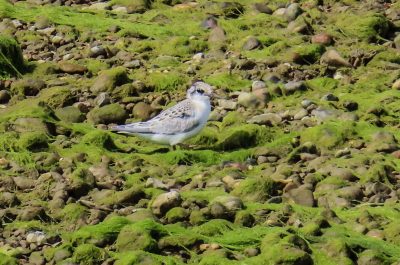
Roseate Terns were observed once more at Church Norton with two on the mudflats on 2nd. There were encouraging signs of successful breeding for the Little Terns in that area with the Selsey Blog reporting at least a dozen fully fledged young flying around at the end of Pagham Spit with more young out on the mud further down the harbour (photo by Andrew House attached).
There were equally encouraging signs for Hawfinch with at least 30 flying over the Monkton Track (West Dean) in the early morning of 29th with around 13 birds feeding on site. Two flew over Ebernoe Common on 3rd.
July Birding Highlights in Sussex – By Paul James
Although July can often seem a quiet month for birding, Sussex still offers plenty to keep birders engaged. As the month progresses, there is a subtle shift as autumn edges ever closer. From the first returning waders and departing summer visitors to breeding Honey-buzzards and Nightjars, there is no shortage of interest.
Departing summer visitors
July signals the beginning of the end for many of the UK’s summer visitors. With the breeding season drawing to a close, some species waste little time in beginning their long journeys south. Cuckoos and Nightingales are among the earliest to depart, with the adults leaving during June and July, while Swifts and Sand Martins will also have largely vacated their breeding sites by the end of July.
Along the Sussex coast, pre-migratory gatherings of Sand Martins form at favourable locations such as West Rise Marsh, where they feed up before departing the UK. By late month, the first returning Redstarts, Wheatears, Whinchats and Willow Warblers may be encountered on the Downs and at Beachy Head, the latter an important departure point for many of our summer visitors. Watching these early migrants depart provides a reminder that autumn migration is already well underway, even in the height of summer.
Returning waders
July marks the real beginning of the return wader migration, as adult birds that have finished breeding in northern Britain, Scandinavia and across the Arctic begin their journey south towards their wintering grounds in West Africa. Many pause at suitable wetlands to rest and feed, with Common Sandpiper, Green Sandpiper, Greenshank, Little Ringed Plover and Whimbrel all regular migrants during the month. Careful searching can also produce scarcer species such as Curlew Sandpiper, Little Stint, Ruff, Spotted Redshank and Wood Sandpiper often still in their breeding plumages.
The best sites are those with falling water levels that expose muddy margins rich in invertebrates, providing ideal feeding conditions. In Sussex, productive locations include Sidlesham Ferry, Pulborough Brooks and Castle Water at Rye Harbour. For Spotted Redshank, try the Breech Pool and adjacent White’s Creek at Pagham Harbour.
Honey-buzzards
One of the most exciting birding stories of 2026 has been the live-streaming of a Honey-buzzard nesting attempt from an undisclosed location in Ashdown Forest which can be watched via the following link: https://www.youtube.com/watch?v=o05dxPbOtF4
By visiting the well-publicised viewpoints on Ashdown Forest and at Woolbeding Common throughout July and August, there is an excellent chance of seeing adult birds soaring above the forest or heading off in search of food for their chicks. Choose a fine, sunny day, as warm conditions encourage the birds to take to the air and greatly improve your chances of enjoying prolonged views.
Nightjars
A visit to any of the Sussex heathlands on a warm, calm evening during July is likely to be rewarded with Nightjars, which continue to ‘churr’ throughout the month. Favoured sites include Ambersham, Iping and Lavington Commons in West Sussex and Old Lodge in East Sussex. Aim to arrive about half an hour before sunset and wait for the churring to begin.
With luck, you may also encounter a Hobby – a small, scythe-winged falcon that breeds late in the season and feeds its young on dragonflies, swallows and martins.
Rarities
In last month’s article I suggested that June can often be a productive month for rarities. However, 2026 proved to be something of an exception, so I am a little reluctant to make the same prediction for July. Nevertheless, there is always the potential for something exceptional to appear, such as the Caspian Tern that graced the Adur at Shoreham for a few hours in July 2024.
Perhaps the best chance of a rarity comes in the form of a vagrant wader. Species such as White-rumped Sandpiper or Pectoral Sandpiper are always possibilities, particularly if the predicted hotter-than-average summer leads to falling water levels and extensive muddy margins at the county’s wetlands.
Tips for July Birding
• Check water levels for passage waders: Too much or too little water will likely produce very little. The best locations for passage waders are wetlands with muddy fringes where birds can pause to feed.
• Check the weather forecast: Settled weather will greatly enhance your chances of seeing Honey-buzzards and Nightjars.
Sussex Tawny Owls Bounce Back After Devastating 2025 Season – Terry Hallahan
Following the disastrous 2025 breeding season, when no chicks were found in any of the 25 nest boxes monitored by the group, this year has marked a remarkable turnaround for Sussex’s Tawny Owls.
The 2026 breeding season has delivered exceptional results. Monitors recorded and ringed:
- One brood of a single chick
- Three broods of three chicks
- Five broods of four chicks
- One rare and impressive brood of five chicks near Ashdown Forest
All chicks were successfully ringed, making this one of the most productive seasons recorded in recent years.
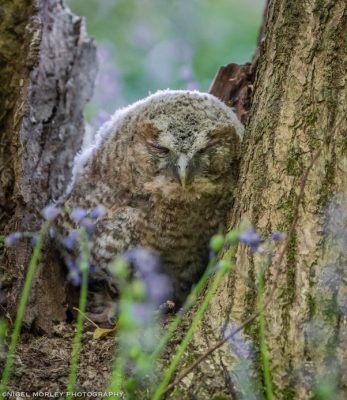
One youngster was found to have already reached the branching stage in early April, indicating that breeding may have begun unusually early in some areas this year, possibly reflecting favourable weather conditions and prey availability.
Tawny Owl Facts
Tawny Owls are monogamous birds that typically remain paired throughout the year. Signs of breeding activity usually begin in late winter, with egg-laying often commencing in March or April, depending on local conditions and food availability.
A typical clutch consists of two to four eggs, although clutches ranging from one to seven eggs have occasionally been recorded. The female alone incubates the eggs, a process that takes around 28–30 days, while the male provides food.
Young owls leave the nest well before they are capable of flight, entering a stage known as branching. During this period, they move onto nearby branches and trees, where they continue to be fed by their parents. Their persistent food-begging calls are often heard at dusk and during the night.
If a branching chick falls to the ground, it can usually climb back into the trees using its exceptionally sharp talons, scrambling up the trunk while flapping its developing wings for support.
Later in the year, from late summer through autumn and into early winter, young Tawny Owls begin searching for territories of their own. This is a challenging and often dangerous time, as parents drive their offspring away from their natal territory and resident owls vigorously defend established territories with calling, shrieking and hooting. Many young birds do not survive their first year as they struggle to find suitable hunting grounds and avoid conflict with established adults.
The Sussex Barn Owl 2026 breeding results will be announced soon—watch this space!
Terry Hallahan June 2026
📸 Nigel Morley
Honey-buzzard chick hatched 🐣
I hope that you were excited at seeing a Honey-buzzard chick in the live-streamed nest. The chick hatched on 23 June in the morning and has since been fed with wasp larvae and pieces of frog.
There is a second egg which may hatch though it could be infertile. *UPDATE ; 2ND CHICK NOW HATCHED* 🐣🐣
Any fledged young will leave the nest in early August, though may not leave Britain until September or even October, to spend 18 months in West Africa. The main risks are probably Goshawk predation and prolonged severe weather events, though there are other hazards.
The Society has part-funded and advised on the filming, which is the subject of research projects by University of Sussex students, the results of which will be published in the 2026 Sussex Bird Report and likely elsewhere.
Thanks to project partners: the Conservators of Ashdown Forest and Wildlife Windows Ltd, as well as to the other funders. The project and the Society has received national attention via SpringWatch, ITV Meridian, BBC SE News and BirdGuides, which we hope will attract new members.
Did you know there is also a YouTube archive system. Each period that streams is archived in YouTube and can be accessed via the following play list.
Which means you will be able to go back to dates/events if missed when live https://www.youtube.com/watch?v=BFNpAAJjUic&list=PLAB8_YP2BBOo
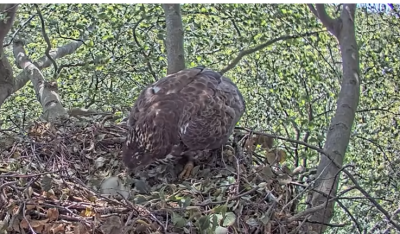
If you are enjoying watching this, please think about joining SOS and supporting many more important conservation studies and work across Sussex.
Mark Mallalieu
Honey-buzzard video stream is now LIVE on our website.
We are really excited to be hosting this live stream that many of you may have seen on Springwatch 2026.
The Society part-funded this work, which should contribute much to our understanding of the species’ breeding ecology in Sussex.
With thanks for all partners involved.